Jason Kirby (00:01.834)
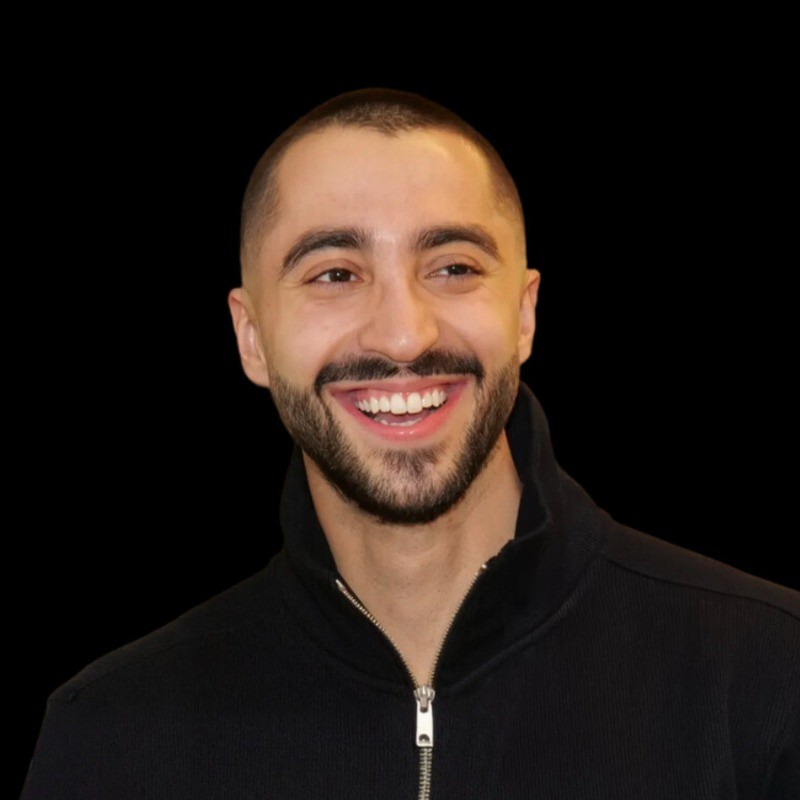
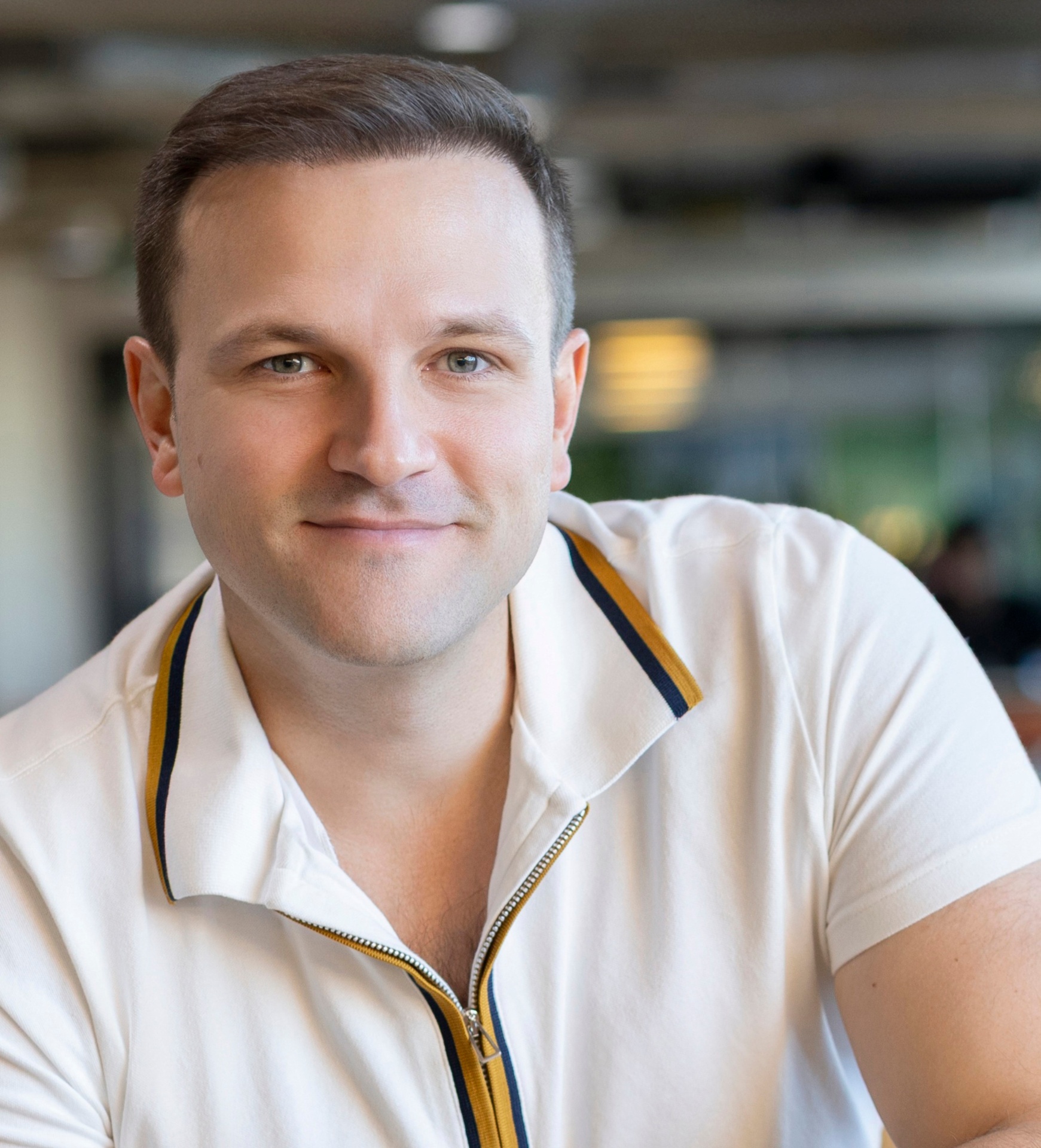
Welcome to episode 25 of Fundraising Demystified. We are back after an extended holiday break, and I'm excited to introduce our first guest of 2024, Ali Ansari, CEO and founder of MicroOne.ai, a platform to hire and pre-vet software engineers that has recently raised a rolling pre-seed of $3.3 million from Dream Ventures and Jason Calacanis, with his most recent valuation being at $30 million.
Ali shares his story of how important it was to connect with other founders from peer groups to help him get warm introductions to the investors that got him his first few checks. Why he did a rolling pre-seed raise and how he focused on building a relationship with founders instead of just pitching them and how he was able to reposition his agency to be a tech company to attract outside funding. There's a lot in this episode to learn.
And as a reminder, to get notified of our weekly podcast and newsletters, be sure to subscribe at join.thunder.vc. Again, that's join.thunder.vc. Well, let's go ahead and get started with the show.
Welcome to the show, Ali.
Ali Ansari (00:14.21)
Thank you, Jason. Thanks for having me.
Jason Kirby (00:16.045)
Uh, and I'm really excited to have you on today. I think you have a really unique story that I think will resonate with a lot of founders in the terms of what you did for micro one from kind of repositioning you guys as a tech company to make sure you close your capital around. But before I ramble on about that, why don't you tell the audience a little bit about you and micro one.
Ali Ansari (00:35.414)
Yeah, absolutely. So I studied computer science at Berkeley, started a dev agency when I was a freshman there. And as I was building a dev agency, I quickly realized that there's a need for building in-house engineering teams for companies versus working with them as sort of an agency project-based engagement. And so I experimented with that model on the side, which is helping companies hire and manage pre-vetted software engineers. And that experiment was called Micro One.
Really quickly, I realized that model is much more scalable and frankly, Micro One outgrew the agency very quickly. So I decided to kind of merge the two together, focus on the core offering of Micro One, which is to help companies build world-class in-house engineering teams. And then my third year at Berkeley, I was studying math and computer science, but I decided to drop math so I can graduate one year early and focus fully on Micro One. And then shortly after graduation,
we ended up raising a pre-seater on the funding, which was led by J. Cal and Dream Ventures.
Jason Kirby (01:40.805)
That's awesome. And you know, the fact you have the infamous J Cal on the Cavs, I'm a huge fan of the Olympi. So let's talk about this a little bit. So when I first heard of you guys, the first thing that comes to mind is staffing agency. And that's, you know, first thing that comes to mind is non-venture backer. How did you go about?
Ali Ansari (01:44.679)
haha
Jason Kirby (02:02.373)
convincing people like Jason Calacanis and Dream Ventures to believe in you and to believe that you're much more than just another staffing agency.
Ali Ansari (02:11.222)
Yeah, so there's a couple of things there. And that was actually one of the things that we were struggling with in the early days of the font, in the early days of trying to raise. People would just look at us as a staffing agency and we didn't have the right narrative built around why we're very different. Basically, the difference is that we're productizing a staffing agency essentially. You can think of it as a marketplace of vetted engineers where companies can really quickly hire world-class talent.
The first part is that sort of mechanism to productize it, which is you can essentially go through a very easy process, tell us your requirements, see profiles, request an interview, and then hire that engineer, and then manage that engagement on the dashboard as well. So manage basically means, it's not the DevOps side of things, it's more like global HR management, where you can give a raise, give a bonus, track hours, and all those things. But the second part, which is super important, is we built out a tool called GPT vetting.
which is basically a pre-screening tool for screening technical talent at scale. So that's really what made the difference is, you know, we were convinced investors that our secret sauce in the long run is gonna be, we're gonna get thousands of applications each month of great engineering profiles, and we're gonna screen through them at a large scale very quickly using GPT vetting. And so when we build out that tool, the...
The vision for productizing a quote unquote staffing agency became very clear to investors and the sort of perception changed around.
Jason Kirby (03:45.741)
No, and that's a good way to think about it in terms of productizing staffing, because I think no one argues with the fact that staffing can be very profitable. It's just typically linear scale and there's lower margins, but staffing, it's big budgets in most cases. So at what stage was the business in terms of clients and revenue when you were able to kind of get that first term sheet from Jason Calcanis?
Ali Ansari (04:13.59)
Yeah, so actually the first term she wasn't from J-Cal, we had a bit of a sort of odd way to raise a pre-seed, which is, I call it like a rolling pre-seed basically. So the way that we did it is we had Joshua Browder and Corey Levy as the first two investors. They each put in 110K. And then after that, we grew for a couple of months, and then we went out to actually raise a full pre-seed. And actually the initial post-money valuation we started at was a...
a $7 million cap and we got a bunch of angels to join at that seven cap. We actually also got the whole Micro One team to put in small checks as well. And then after that seven cap, we then grew again for about a month or two. And then we raised the cap again to 14. And that's when JCal came in and sort of led that. And then at the 14, we got a few hundred thousand more from other investors, JCal, of course, being the...
the majority investor. And then we wrapped that up in, I believe, in June. The terms were set a couple of months back. Jake took a couple months for due diligence. And then we then, a few months after that, in October, actually, very recently, we got another $1.3 million check from Dream Ventures. We actually had wrapped up the round. We did a $2 million pre-seed, wrapped it up. We wasn't expecting any more checks.
We got some interest from VCs, but we were just respectfully declining. But Dream Ventures made us a good offer in terms of value ads, as well as valuation. They up the cap from 14 million to 30 million. And the 30 million we had basically, we almost had doubled in size in terms of revenue since the terms were set for when Jake L set the terms at 14 million. It wasn't exactly double. It was close to double.
So the valuation was a little bit more than double. So it was a bit of a premium, but it wasn't just an arbitrary increase from 14 to 30. But yeah, they put in 1.3 million at 30. So we had basically an oversubscribed round and it came out to a total of 3.3 million. And all of it wasn't at the 30 million or at the 14 million. It was a rolling pre-seed throughout.
Jason Kirby (06:26.681)
You know, I really want to talk about this a little bit more and what you call the rolling safe, which is, I would say more normal than most founders like to admit, and as much as everyone likes to think that they can just go out and get all the money they need in one fell swoop at a pre-seed stage, it's actually less likely to happen. And so I guess kind of walk us through the timeline. So you brought in this first couple of angels, you mentioned core, that being another.
At what point did they jump on board? Was there already revenue? Was there already traction at this point when you got those first angel checks?
Ali Ansari (07:01.058)
So there was a bit of revenue, very small, almost nothing. And I actually still had the agency, so I was kind of working on two things. And Josh wrote, I had a call with Josh, we made like a 15 minute call. And then like right after the call, he sent me an offer. Of course we did some due diligence and then he invested right away. And at that point we didn't have any product or anything. Like it was like super scrappy, like bunch of like type forms basically.
But we did have a little bit of revenue. And then once we wrapped those up, a couple of months after that, where I stopped working on the agency, I just had Micro One as the only company I was focused on, and we had a product to show as well as more revenue, that's when we went out and started raising the pre-seed.
Jason Kirby (07:49.949)
How'd you get in front of Joshua and those investors?
Ali Ansari (07:53.326)
So my friend Mark from Hypercard, shout out to Hypercard, he introduced me to Cory and Cory runs Z Fellows, I'm pretty sure you probably are aware of Cory. Z Fellows is an incredible community by the way of amazing founders. So I was in a Z Fellows cohort and then it's a week basically accelerator where you meet a bunch of cool founders and meet Cory and some mentors. And then after that, Cory introduced me to Josh, which is a mentor at...
at ZFellows and found out do not pay. And then I had a call with Josh for 15 minutes and that's when Corey and Josh actually decided to invest together.
Jason Kirby (08:31.997)
That's awesome. And that's something I just want to highlight for other founders in terms of like the best introduction you can get to, you know, investors are from other qualified vetted founders. And it seems like you followed that path to the T there. And, you know, moving on to getting introduced to the next round of investors with Jason Kalkin, as the other set, like ultimately what led, how did you get in front of them and what led them to investing and were you working directly with Jason or more so his team?
Ali Ansari (09:01.882)
So before Jason, Joshua and Corey introduced me to a bunch of investors. I met Ryan, I met Andrew, Kim, people from General Catalyst and many, many VCs and got a lot of directions and of course some said yes. Most of them were angels putting in like 50 to 100K checks. And then after, so we closed, we raised close to a million with
just those angel checks through introductions from Josh and Corey. And then after that is when I met JCal through an introduction. I first worked with his team, Andre on his team, that he was my main DOC. The whole team at launch, by the way, is super great and easy to work with. They do have a very long diligence process, which I respect, but they're very easy to work with. And then the final meeting was with JCal.
And frankly, I didn't think the meeting went too well with J. Cal. I was like, okay, like I don't think they're going to invest, but I got an offer the week after, and they wanted to invest at a nice valuation. So we took that.
Jason Kirby (10:10.285)
No, that's awesome. That's good to hear. And, um, I guess what were some of the experiences you had in terms of the no's that you got, like, you know, in terms of all the investors that you pitched, uh, you obviously got a couple of yeses that, you know, scared the round and you're off to the races, but, you know, what was the, what was it like dealing with the no's and how many no's were you dealing with?
Ali Ansari (10:28.898)
A good amount of no's. I mean, I probably met at least 60, 70 investors, probably more, but somewhere around there. And a portion of them said yes, but the no's each time were sort of like general reason, really no feedback. Sometimes the feedback would be around the sort of staffing agency thing that we talked about, but that became...
much less when we introduced GPT betting. I think one thing I would have done earlier on to perhaps close a little bit faster is I would have spent more time on the pitch, but more so the story around the pitch and like the narrative I wanna build for why I'm working on this and what the $10 billion, $100 billion vision is. I didn't have enough of that. And I realized after that, of course showing what you're building now, like the current state of the product is important.
But really showing what you believe the product will be in five years is also extremely important. You have to get investors to get very excited for a $10 billion, $100 billion possible outcome versus what is the current state. So the initial iteration of my pitch was very much what the product is now. And when I showed Josh the pitch, he was like, scrap this, show what the product is gonna be in three years. And like.
talk about the company as if you're already there. So basically conveying the vision in much more detail throughout the pitch. And so I iterated many, many times throughout the race. Like I probably changed the pitch like 15, 15 times. But what I would have done, obviously the iteration is good, but I think if I spent more time in the beginning, just really building a nice story, that would have saved some iterations that probably closed around a little bit faster.
Jason Kirby (12:20.473)
But would you be able to have written that perfect story without going through all the nose and it, you know, the feedback and feedback loops that you had. Prior.
Ali Ansari (12:32.294)
That's a good point and yeah, you're right probably not I think it's just part of the game to go through these many feedback loops so they can iterate in retrospect It feels like oh, maybe I should have just done this in the beginning But you probably just couldn't do it in the beginning. That's a good point. But but I do think one thing is like Builders or founders that really are product driven They kind of hate stuff like pitch decks and spreadsheets and they just want to build and I was sort of in the same Same my set and I was like every time I was spending a minute on the pitch I was like, oh my god, like I shouldn't be doing this and I think like
Changing my perception on that a little bit would have helped. I would have just spent a little bit more time in the beginning versus thinking like, Oh my God, like, let's not do a pitch deck. Let's just go back to building. I think like spend a few hours on the pitch deck. It's.
Jason Kirby (13:14.629)
Yeah, it's a valid struggle that I think a lot of founders deal with is just, do I really want to keep doing this dog and pony show? Why don't people just get it? And like, let me just build, give me the money so I can just build. You know, it's that, you know, you can't kind of have one without the other, or, you know, chicken and egg kind of, kind of problem, but it looks like you were able to overcome it.
Ali Ansari (13:27.08)
Yeah.
Jason Kirby (13:36.813)
So guys, tell us a little bit about where the business is now and how you leverage the capital. You know, why did you raise as much as you did and what have you guys done with it to
Ali Ansari (13:46.338)
Yeah, so we actually build publicly, so I'll say the numbers here. We're doing a little bit over 400,000 a month in revenue right now. Gross margins are around 40%, a little bit above 40%. That revenue is a combination of our core offering, of course, which is Micro One Talents, where we help companies hire pre-vetted software engineers. The second part of the revenue is MicroLab, which is basically the agency side of our business. And then the third part, which is a very small part of revenue right now, is SAS, which is GPT vetting. So, GPT vetting,
is just quick context, we use it internally for our equipment team of course, that was the purpose of building it, but we got a lot of interest from clients wanting to use it, so we decided to actually publish it as a SaaS tool for our clients as well. And so yeah, that's where the business is at right now, we're 25 people. Where the business will be, let's say three years from now, I think is...
The portion of revenue which is SaaS is going to be much, much larger. I think that the path to, let's say, $100 million a year is becoming clear and that path seems to be through GPT vetting and through GPT vetting being used as a SaaS product. Of course, within our Micro One Talent offering as well, it's sort of a subset of that, but really the large scale is going to come from companies subscribing for $500 a month, $1,000 a month based on the number of reports per month to GPT vetting itself.
So I think that's where we're going. We're talking to a couple of really large enterprise companies right now that are interested in using it. And so I think that's where the focus is going to be. That's certainly where the product focus is. Our product team is the biggest team at Micro One. And basically like 95% of the product efforts right now are on GPT vetting, which helps, of course, our main offering, Micro One Talent, but also improves the product for our clients that use it as a SaaS product. So yeah.
Jason Kirby (15:38.465)
And you know, you're public about your numbers, which is awesome. I guess kind of tell me about, you know, what does it mean to be building in public and what's kind of been the pros and cons of that for you.
Ali Ansari (15:49.41)
Yeah, so I think the way I look at building public is it allowed... Well, actually, let me take a step back here. The first thing that we did, this was about eight months ago or so, is we made all of our numbers super transparent internally. So literally every single data point that I see, every single team member sees, and that includes P&Ls, how much profit we made, what the gross mortars are, every single data point the team sees.
And when I was doing that, I asked a couple of my, you know, like sort of mentors and founder friends that are more experienced than I am. And, and almost all of them said like, no, like don't, don't do that. Like it's too much transparency. It's not, it's not going to, it's not going to end up well. And, and I think in retrospect, that was one of the best decisions I've made so far, and it just, the sort of culture of the team has, has been improved significantly because of it, you know, people work extremely hard and then they see the outcome of their work each month when we grow. So.
With that, I was thinking about, okay, maybe I could apply this same philosophy to everyone on Twitter. Why not? I was going back and forth for a couple of months, and I decided that the pros are certainly going to outweigh the cons. There wasn't much cons. The only con that kept coming to mind was, oh, our competitors are going to see our numbers. And really, I came to the conclusion that, sure, they're going to see we're growing.
What are they going to do with that? I mean, you can't maybe they'll see our gross margins try to like improve theirs or something, but they're going to do that anyways. So that was sort of the main column that I was thinking about. You know what? Like it doesn't matter. Let's just build in public. So about a month and a half ago, I tweeted out a revenue chart. That was the first tweet of building public. Prior to that, we were doing like product updates and stuff on Twitter, but in terms of the numbers itself, a month and a half ago, and we just off that one tweet, we got like 20 leads.
Jason Kirby (17:25.938)
Mm-hmm.
Ali Ansari (17:48.186)
And I was like, all right, this is, we're a hundred percent gonna go in, like all in with this. And two of the, like two out of those 20 of these so far have already converted. They're great clients of ours. One of them is Farboot. He's building something really great. And he's the clients of MicroLab and Micro One Talent now. And so I think it gets us leads. It gets us customers, it gets us organic demand. It goes very well with the Twitter marketing that we're doing in terms of like actual paid Twitter marketing. We spent about 30K a month on.
Twitter ads and my organic Twitter goes very well hand in hand with that. And then the third thing is it builds a lot of trust and authority even before we have sales calls. So our sales team has an easier time talking to clients because clients look at us as like, you know, a company that they know the CEO of already on Twitter and they kind of respect us a little bit more and just increases conversions overall. So yeah, we're going to, we're going to definitely keep going with this building of public.
Jason Kirby (18:46.305)
No, that's impressive. And I think that's exactly well thought through reason to build in public. I feel when it drives the bottom line business, the core of the business, I see a lot of reasons to do it. It's also culturally, like a lot of founders don't want to do what you want to do because it can create sticky situations internally in terms of, you know, people internally knowing all the numbers or competitors or whatnot, but it looks like you kind of waged your frozen con.
and you made a decision that works for you and it's driving a substantial amount of business. But also kind of would impact that you're spending 30 grand on Twitter ads at this stage. Considering you guys, you say pre-seed, but you're at a $400,000 MRR at this point. Now is it MRR or monthly revenue?
Ali Ansari (19:29.538)
So yeah, it's not all of it is not MRR a good portion of it More than 70% of it approximately over the 70s for 70% of it is MRR But micro lab portion of it is not recurring. So so that's total revenue and then yeah, most of it is
Jason Kirby (19:43.861)
And just for clarity purposes, when you say 400k, is that GMV in a way of like, you know, salaries plus your margin or is it your margin only?
Ali Ansari (19:53.174)
Yeah, so the way I look at it is, you can call it GM, you can call it gross revenue, you can call it revenue. I just look at it as total top line revenue, and then what is the margins on that revenue. So it's 400K, a little bit more than 400K a month is top line gross revenue, and the gross margins considering a weighted average of all services is approximately 40%. So that's in combination of MicroLab having 60, 70 plus percent gross margins, Talents having 25 to 30, and then of course, SaaS having more than 90.
The weighted average of all that is the gross margins.
Jason Kirby (20:26.557)
Gotcha. So it's something I always like to clarify for founders is when they kind of share top-line numbers and they're like, Oh, like, you know, we have a client doing a million dollars a month.
but in GMB. They take a 10%. So technically, their net margin is only the 100k. And so investors will quickly look in terms of benchmarking you against other companies. But still 160, wherever that might be, 150 to 200k is still a fantastic number, assuming it's continuing to grow.
those are phenomenal numbers to be working from at your stage. So it's still something to be impressed by. But a lot of people try to mask it, like, oh, we're doing 400k, but it's actually substantially lower and more of a, when you look at the actual operating revenue that you get to work from. But it's a gem, multiple different businesses, in that sense, revenue lines. It makes sense to have the blended.
Ali Ansari (21:17.11)
Yeah, and also the way, if we were, let's say, an all-for-all core, we had like a 10% take rate, certainly call it GNV and probably we'll talk about the net revenue actually as the key metric. But we're not that. I mean, our take rate is much, much higher than 10%. And if you take the weighted average of all the margins, it's actually around 40%. So that's why calling it gross revenue, I think, is a little more accurate. But really, the way I look at it is sort of arbitrary, what you call it. You should look at the revenue and what the gross margins are.
that's where you can determine the health of the...
Jason Kirby (21:49.597)
No, no, it makes sense. And when it comes to maintaining a relationship with your investors, so you've doubled and then doubled again, essentially, in less than a year, timeline, correct? From when you did the $7 million cap to when you did the 14 and now you did a 30. So I imagine your investors, especially the $7 million cap investors are very...
What's kind of been your process of keeping them engaged and informing them of their progress and the fact that you went out and raised additional capital when you originally said you were done?
Ali Ansari (22:23.03)
Yeah, so we do monthly updates for overall company updates where we include the revenue, the MRR, gross margins, all the data that we have basically. And then in that update, we also have two other categories which is product and talent. So in product, we talk about what we've developed and what's coming to be developed in the next sprint. And then in talent, we talk about the core team, if we added anyone new and sort of, we talk about like culture and a few quotes from the team and so forth.
So that monthly update, I've been doing it since we got our first trek every single month. Actually, we skipped one month. We had a down month and I was like, you know what, let me just wait until next month. In retrospect, if we have more down months, we're just going to send an update anyways. But that was where month where I was like, okay, I know for a fact, we're going to jump back from this very well next month. So let me just skip this month's update and do one next month.
But other than that, we've been doing monthly updates every single month. And then we also do a product update each month where it's, it's separate than the monthly updates. It's, it's just about the product and, and everything that we've launched. And actually we're, we're going live tomorrow with an update with some cool stuff added to, to GPT vetting. Um, and, and so there's going to be a product update to investors, customers and, uh, team members. Uh, probably on Monday, we, we debug a little bit over the weekend and then send the product update.
Jason Kirby (23:48.276)
Awesome. And I guess what happened when you skipped that month? Did anyone say anything?
Ali Ansari (23:54.538)
No, not at all. I think people appreciate the fact that we're very diligent with updates, especially at our stage, which is earlier, pretty early stage. And the updates are quite long. There's graphics, a lot of charts and so forth. So every time we send an update, we get a lot of investors saying, hey, great update, which I always appreciate. I think more investors should reply actually to updates. I always love reading what they think, even if it's like, hey, nice job.
Very few do actually, which is kind of odd. But when we didn't send the update, we didn't get anyone asking for it, so that was nice.
Jason Kirby (24:33.213)
So that's for all the investors listening, make sure to respond to your founders. When you put it out and it just kind of goes into what appears to be a black box, I totally feel the pain, especially if there's an ask in there and no one responds at all. So, did anyone?
Ali Ansari (24:36.642)
Hahaha
Ali Ansari (24:46.306)
Yeah, like, yeah, the last the last investor update to ask was to follow me on Twitter because we're doing a building in public and I only got like six followers. I was like, I expected more than that, like six new followers. But but hey, I appreciate those six.
Jason Kirby (25:03.801)
You're gonna follow up with each of them one by one. I'm gonna be like, yeah. I looked at my analytics, you didn't click.
Ali Ansari (25:06.391)
Hahaha
Ali Ansari (25:10.494)
Yeah. Yeah, I might.
Jason Kirby (25:14.813)
And then you got to get them to repost it, retweet it, re-exit. I guess, what do you, I don't know if it's called retweet anymore. Yeah, exactly. It's like, I don't know what to call it anymore. It's repost like you do on LinkedIn. Yeah. So I think there's some valuable insights, I think, for a lot of founders to think about when they're engaging their investors and, yeah, I think it's interesting you chose not to, you know, share the update in the down month. But I think.
Ali Ansari (25:20.238)
Yeah, I still call it retweet. I love you, Leon, but retweet it sounds like.
Jason Kirby (25:42.745)
It sounds like you've learned, you know, moving forward, you'll post both the good and the bad. I think that's something a lot of founders make the mistake of is they don't come out with the bad. They only project good. And then when things start going bad, I just actually met with a founder I invested in personally, not too long ago. You know, things went south. Business didn't go in the direction it's supposed to. That's what happens in this game. But he didn't, he was so diligent on monthly updates and they just went silent. Like no communication. You're like, something's wrong.
but I don't know what is wrong and I don't know how I can help if I don't know what's going on. So I think it's important to always kind of keep those updates going and flowing even when they're negative in the sense that it's a chance to leverage that and ask for help when again. So, you know, kind of going back to the race, so you've been really ramping up and, you know, things have been growing. So, you know, you've had a good momentum for you, which is what a lot of ECs want to see.
Ali Ansari (26:10.928)
Yeah.
Ali Ansari (26:25.463)
Yeah, 100%.
Jason Kirby (26:38.469)
That's why they make a lot of bets. They want to bet on the things that have momentum. I guess, what's your advice to founders to build that momentum when you're raising capital?
Ali Ansari (26:50.894)
Um, so yeah, I think, I think if you, if you don't want to do a rolling pre-seed and you want to just quickly wrap up the round, momentum is going to be incredibly important. And you know, the way we, the way that we did it, we kind of, it was less important just because we, we had time and we, we weren't trying to rush it in like a month or two months and wrap up the whole round and we're iteratively increasing the valuation. Um, so I think first thing I'll say here is like,
I highly recommend looking into doing a rolling pre-seed because the average valuation of your total round is going to be higher, especially if you're trying to raise like super early on. Why not like keep building and like keep getting more revenue and just increasing valuation every month or two. Of course, you're probably going to spend more time raising in terms of like total hours spent as well as total duration of timeline that raise. So I would first off, I would say consider that.
But if you're going to do a momentum raise and wrap it up in a month or two, which I think every round after pre-seed should be that way. But for that, I would say, make sure to have a few really good relationships already. So like when you announce the raise, you can already get a couple of checks and really sort of start building FOMO. I think a lot of it is just like human psychology. You have to build FOMO within the investor community. So.
Obviously, you got to build FOMO in an organic way because investors can often tell when you're trying to rush timelines and that becomes a negative. If you say, oh, by the way, we're wrapping up next week, but in reality, you're not wrapping up next week, they're not going to invest. If you say stuff like that, and frankly, I did that a couple of times and it didn't work out. Build organic long-term. Have a few really good relationships that you know very likely they're going to invest right away.
Jason Kirby (28:33.213)
Thank you.
Ali Ansari (28:47.198)
And yeah, so those are the things that come.
Jason Kirby (28:49.633)
Yeah. Let's let impact that a little bit more. Like what are some other things that you kind of learned in your capital raise experience that you felt you didn't do properly or could have done better?
Ali Ansari (29:04.323)
I think one thing would be present the product right away in your pitch. Maybe a quick problem and solution statement and then just showcase the product. One thing I did later on that really helped is I added a one-minute Loom video of me just quickly demoing the product. And so people that would look at the deck offline, if they just take a minute to look at that Loom video, which most people actually did.
they would have a much better understanding of what we do very quickly. So I highly, highly recommend that. Another thing is, and by the way, when I met with J. Cal, he basically, we skipped introductions. We didn't really do any of that. He just said, show me what you're building. We just jumped into the product itself. Of course, not all investors are like that. You have to kind of gauge the type of conversation the investor wants to have. And that's actually another point of advice I would say is sometimes I...
I tried two different methods of conversation with investors. One was running through the pitch deck and then doing questions and answers, you know, after the pitch, the other method was just having a conversation. And I realized instead of like having conviction on one of those things and trying to do that one thing for all investor meetings, just like gauge the, either ask them straight up, ask them, which one do you prefer? Like, should I run through a pitch and then you ask questions or should we just have a conversation or try to gauge it in a more natural way?
So once I started doing that at the end, I realized it's sort of 50-50 split. Some calls I was doing just conversation, there was no pitch deck pulled up. I was sharing my screen sometimes and show a couple of slides or a couple of things on the product, but it was more so a conversation. But some were more structured where they wanted to hear the pitch first, like for six, seven minutes, and then they wanted to ask questions. So one thing that I kept trying to really heavily optimize for is like, how can I give...
this investor as much information as possible in 30 minutes. And I realized maybe that's not the best thing to actually optimize for later on. What I started to optimize for is like building more of like an emotional connection by toning down on my personal story a little bit more and like spending more time on that in the beginning. Plus simply getting them to understand the product. Like those two things is what I started to optimize for versus like giving them as much information as possible. So that's another thing I would say.
Jason Kirby (31:29.117)
Well, I think that's a brilliant revelation for a lot of founders to understand is they feel they have to just get everything out. Like we're doing all this amazing stuff, you have to know about all of it. And it's like, what you're really fighting for is another meeting. Like that first 30 minutes is not to get a million dollar check, because that's very unlikely that will happen. But the likeliness of getting another meeting, that's a little bit easier and ask, easier bit of a lift. And getting them just to get their...
appetite wet and which is, do I like you and do I know what you're doing and do I believe in what you're doing? Those are the real questions you have to get answered in that first meeting and it sounds like you kind of course corrected to get to that point.
Ali Ansari (32:08.374)
Yeah, exactly. And actually in the beginning, I wouldn't even talk about my personal story. I was like, oh, let's just jump into explaining the company right away. And when I started talking about my personal story for a few minutes, it's just like two, three minutes, like, you know, I was born in Iran, you know, wasn't really getting along with teachers in a lunch room, middle school, etc. And like I talked a little about the previous companies that I had and how I got a small acquisition on one of them and so forth.
and how that transitioned into building Micro One. I think that part is what really got the second meetings with Most Investors versus the company itself. And I was completely neglecting that. I was like, in the beginning, I was like, okay, maybe they don't, like they don't wanna hear this. They just don't wanna see if the company is doing well and what the company is, what the vision is. But really it's the personal story that matters a lot. So I would spend a lot more time on that. It sounds sort of cliche, like maybe it sounds obvious, but I just, I wasn't doing this.
Jason Kirby (33:03.973)
No, I think it's very important to be able to share that personal story and, um, you'll be able to kind of have a conversation and, you know, show that one, you're a human and two that, you know, that's something that, you know, they want to build a relationship with you. It's the other day, especially pre-seed, you're going to be in this relationship for 10 years. It's, and it's a total gamble. And maybe this company isn't the one that works. Maybe it's the next one, but because they backed you now, you might, they might get a swing at the next one. That could be bigger.
So VC's really like the idea of betting early on the right person. And if you don't really get that, you know, identity across, it's hard to build that rapport. Going back to what you said earlier in terms of the different pitch styles. So go into a meeting with a pitch deck versus a conversation. All of the investors that invested, which one's preferred which? Or which one did you start with?
Ali Ansari (33:58.626)
Honestly, I don't remember exactly which one was preferred which, but I think it was probably approximately a half split. I think the best way to do it is to simply ask them in the beginning, do you prefer a pitch or do you prefer a conversation? Because it's hard to gauge. Like you can't really, I mean you can guess, but it's just, it's better to just ask. So I started doing that and it really simplified it. Because a lot of times they do have a pretty strong preference for one or the other. Sometimes they don't, but most of the time they do.
So just ask them in the start.
Jason Kirby (34:30.797)
Another fun thing I got involved, you know, you kind of mentioned with launch, you were talking to one of his associates first and then got brought into Jason. What was that experience like? Were you talking mostly to analysts and associates first and then moving up your way up the chain? Did you start directly with partners? What was your experience in terms of like who you had that first meeting with and what was the experience thereafter?
Ali Ansari (34:50.498)
Yeah, so I met Andre first. I think he's an associate, not sure. Met him for about 30 minutes. I believe I went through a sort of a typical pitch with Andre. He's more of a structured and wants to hear the pitch and ask questions, so we did that. And then I met Heidi on the launch team. I believe she's a partner. And I think for her, I believe it was a conversation. And then for Jason, it was actually quite different than sort of all of them.
He just quickly said hi, like five seconds, and said, show me what you're building. So I didn't even go through a pitch or anything. I literally just logged into the dashboard and showed him what we're building. I went through the flow of what a customer would go through. And then we had a conversation afterwards about the product mainly, but we also talked about his visit, I believe, to Japan and a few other things. And, yeah, he said, do you have any questions?
Jason Kirby (35:43.225)
He made it about himself?
Ali Ansari (35:48.386)
And I knew a lot about launch parties, so I didn't have any launch questions. I was like, hey, how was Japan? And yeah, so we talked a little bit about that as well. Yeah. He got excited to answer that actually at the end with smiles.
Jason Kirby (35:55.645)
Smart move, very smart move. Yeah, exactly. Perfect. Yeah, definitely. If you could do anything to kind of toot their horn and kind of please to their ego, it's a smart move because they walk away smiling after the meeting, not so much thinking about analyzing your business. They're more like, oh yeah, I like a guy. So that was incredibly smart. So, you know.
Ali Ansari (36:15.242)
Yeah.
Jason Kirby (36:22.617)
I've really enjoyed this conversation in terms of the experience that you shared. It's great to kind of talk to you, especially when you're sharing in public and, you know, openly building in public. At this point, what are some final advice that you would give to a founder that is going out for their pre-seed in this market?
Ali Ansari (36:42.006)
Um, I think two things. One is if you, if you know any founders that have raised, ask for their help. I think this is a, this is like, like ask them for specific intros. Maybe I'll hop on a call with them, you know, tell them about the company a little bit, if they don't know much about it. And then, and then ask them if they can make intros and, you know, be, be sort of direct with it founders for the most part are very happy to help and
And honestly, it's kind of an honor when someone asks for help. I like helping other founders. And so I think most founders feel this way. So, so feel like, feel free to ask other founders for help, especially if you're in like communities that like, like Z fellows or something where there's a lot of founders that have raised. Just DM people and say, Hey, I'm about to raise. Like, can I, can I hop on a phone call with you for 10 minutes, tell you about our product and maybe get some advice about the race. And then once you talk to them at the end of the phone call, you can say, Hey, by the way, if there's any intros and.
And yeah, so I've had like three, four people from ZFell is reaching out to me. Basically what I just explained, you know, having a 10 minute full call with them and then making a bunch of intros for them. So I can imagine if you do this for, you do this like three, four founders, you're going to get many intros and then, and then intros are like sort of a binary tree of like many more intros that come from intros, especially with the ones that do invest. So, so look at that, look at it that way. I think outbound for VCs frankly doesn't work. I
I did a little bit of that and I got a couple of calls, but actually one of our investors was through me, you know, emailing them on or DMing them on Twitter. But I think the effort to reward ratio is like not that good for outbound VCs. And some people like the extreme end of this is that maybe you'll burn some bridges that way actually. I don't think that's necessarily true, but some of our investors are saying don't do that because you'll burn some bridges.
So yeah, try to get intros and where you should start is of course, like I said, founders, but more importantly, if you can get one or two people to invest and be sort of your early supporters, like the Corey and Joshes of the world, and give them a discount on the valuation, maybe give them a lower cap, and have them kind of help you raise, that will be super important as well.
Jason Kirby (39:00.217)
That's a valuable advice and I appreciate you sharing that. But I think you also mentioned that there might be some kind of offer that you could present for Micro One to those listening today. Do you want to share a little bit about that?
Ali Ansari (39:11.574)
Yeah, absolutely. So we have an offer, a 240 hours of free software development for any founder listening to this podcast. We'll create a page and we'll maybe link it somewhere. But basically the way that'll work is you'll get two weeks free per engineer for up to three engineers. And the first week you'll be able to completely try them for free. And if the engagement works out after the third month, you'll get another week free. So that's for our main.
Micro One Talent offering, so if you're hiring engineers, feel free to use that. And for GPT vetting, if you want to use the tool to vet some technical talent, we'll extend the free trial from one week to two weeks for anyone listening.
Jason Kirby (39:53.649)
Awesome. That's very gracious of you and make sure to keep the link in the show notes once it goes live. And if anyone has any particular questions, they can always reach out to us at health.thunder.vc if we need to pass it along to you guys. And I guess who would be the best type of founder to take advantage of such an offer?
Ali Ansari (40:12.478)
It's really any founder that is building in-house engineering teams. So if you already have a couple of engineers and you're looking to expand your engineering team, then that's perfect. If you're looking to hire a founding engineer, your CTO, you can also use it. So it's really a wide range of companies that are technical, tech companies, and already either have engineering teams or are about to build their engineering teams.
Jason Kirby (40:35.037)
Perfect. All right. Well, I appreciate you being on the show, Ali. It's been incredible having you on today. And I look forward to founders in BC. It's good to hear your story.
Ali Ansari (40:44.174)
Perfect, thank you, Jason. I appreciate you.