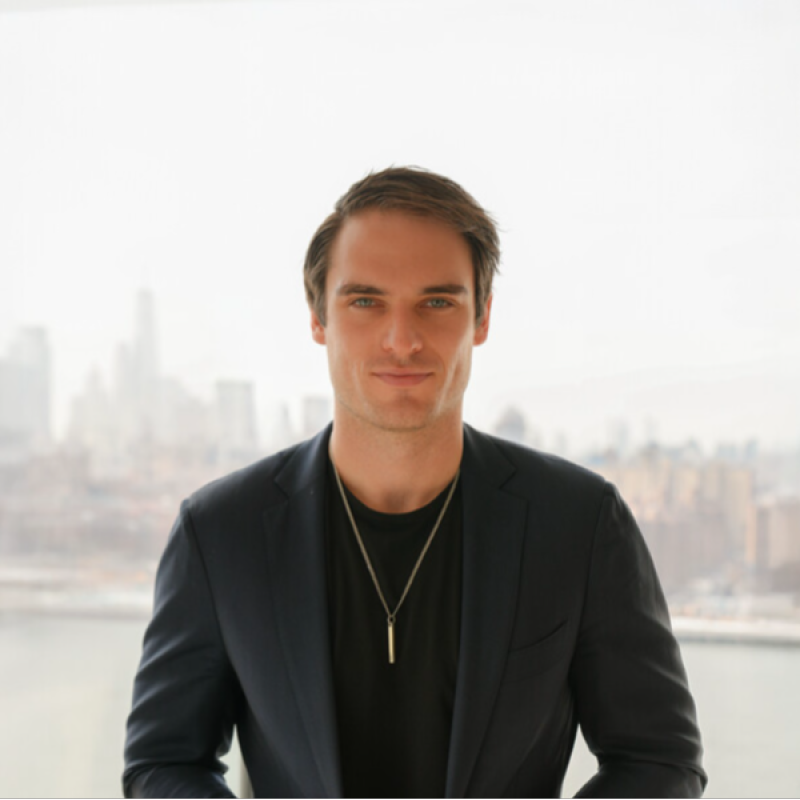
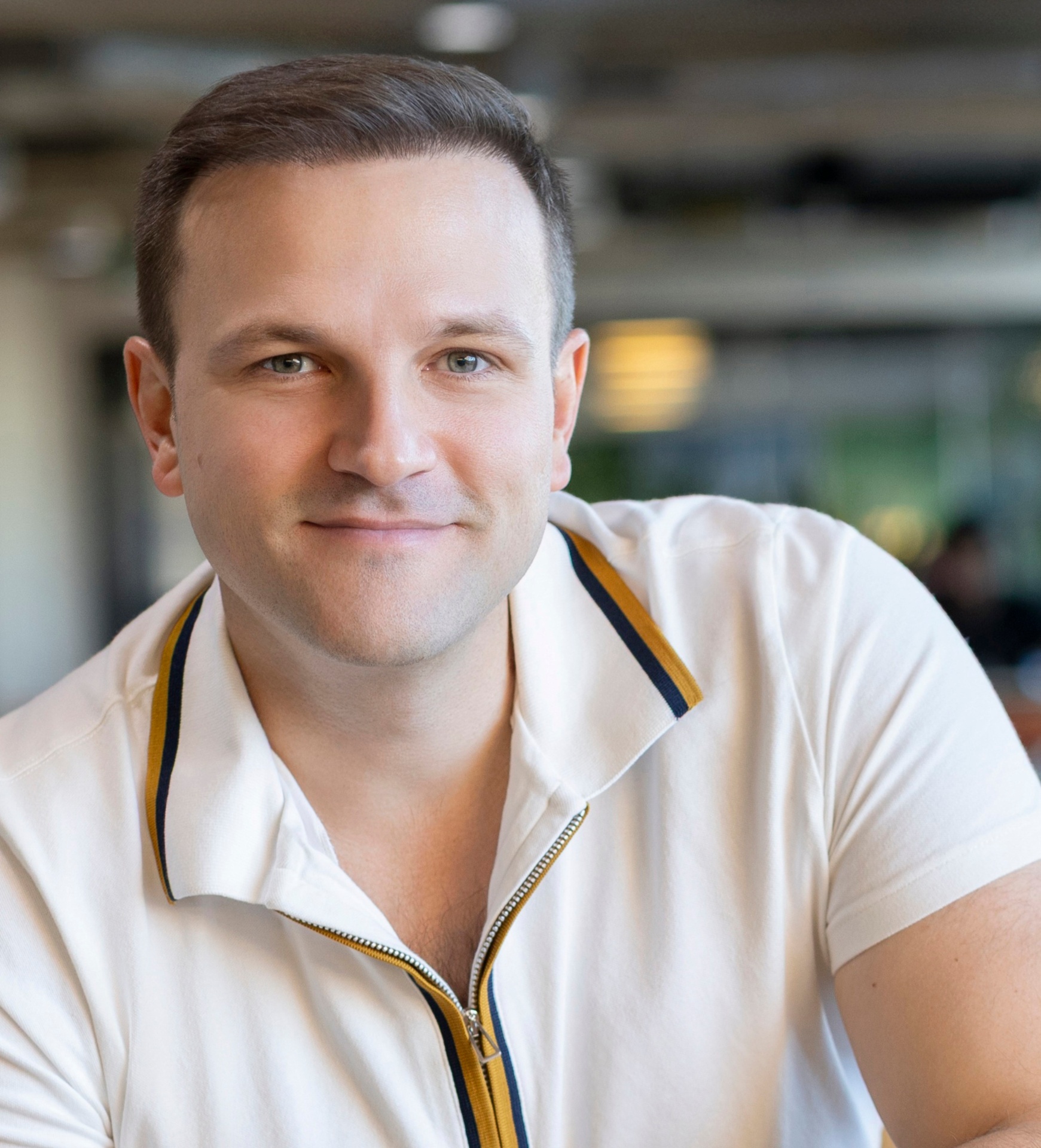
Jason Kirby (00:02.42)
Hey everyone, welcome back to Fundraising Demystified. Today we have Noah Friedman, a venture capitalist and general partner at Top Shelf Ventures. Welcome to the show,
Noah (00:13.739)
Thanks Jason, thanks for having me
Jason Kirby (00:16.21)
No, I'm excited to have you on the show and you got a pretty interesting background, you connected through mutual friends. I think it'd be best if you just tell the audience a little bit about your story, how you became, you know, start as an actor and, you know, now you're a venture capitalist. be great to kind of fill that gap and hear your
Noah (00:32.587)
Sure. The actor thing is a funny one and I guess I'll circle back to that. But the short version is I started a fund called Top Shell Ventures. We are generalist private equity and venture investors in the highly specific and highly regulated alcohol industry. So we take an institutional approach, deploying capital in the booze business and adjacent industries around it, highly regulated, underserved industries. I also started or co -founded and run an organization called Uncharted.
which is a media and events business focused on bringing the best founders and funders together in extraordinary places and settings. I started that with a very close mentor and friend of mine named Michael Loeb and a top shelf and uncharted together have really taken off in the last couple of years. So that's where I spend most of my time is building those two things.
Jason Kirby (01:17.032)
And how did you get to that point? How did you get from kind of earlier in your career to building what you built early on and moving on to what you do today?
Noah (01:29.055)
Michael Loeb has been a big part of that story. I met him when I was an undergrad in college. He's a very successful serial entrepreneur and he took me under his wing early on and both mentored me and brought me into his ecosystem when I was still in school. I ended up graduating and serving as a COO of one of his portfolio companies, which is in the alcohol space. I had very little experience in alcohol other than having partaken in college, let's just say, and knowing that intuitively it was a big business.
And I had to get very deep into the booze world in order to really effectively serve as an executive in that analytics business in the booze space. And so I got really deep into the alcohol world and I learned everything and anything about how it works, the origins, the history. And what I found was that you have this multi -trillion dollar global market that has historically been quite recession proof and uncorrelated, tends to grow every single year, highly acquisitive, often can trade at tech and software like multiples.
And punchline is just a super lucrative market, very powerful, and a lot of opportunity and shockingly underserved by traditional venture, right? Very few people who have institutional capital allocation experience. We're looking at the alcohol market, which was shocking to me, especially as someone who was really just starting to their teeth into what it looks like to build an investment firm and investment portfolio and investment thesis. And so after a few years
running this analytics business and learning the alcohol trade, I started to think about what it would look like to invest in the space. And I ended up meeting a partner, Jason Sherman, who had frankly a much more impressive background than me having run AB InBev Venturearm and doing the merger when AB InBev and Sam Miller merged and running his own alcohol tech startup. And he and I both had, would say, complimentary views of the alcohol world and where it was going, complimentary skill sets, importantly.
And after a few years of like flirting on what ideas could look like, we landed on what it would look like to build the blue chip fund in the trillion dollar alcohol space. And that was about three years ago that we decided we're going to do this. And about two and a half years ago, we did our first close.
Jason Kirby (03:34.548)
So you covered a lot there, but I want to kind of unpack some pieces of the story, specifically the glaring issue as to why the alcohol industry is underserved by venture capital. Can you speak to that and kind of why you saw that as an opportunity?
Noah (03:52.627)
I think why it's underserved, it sometimes still shocks me, honestly, that it's this underserved. And I have a feeling if we continue to be successful, we will see more start to, and I welcome this, not come after us, but come after the space, which I think is good for the market. Look, I think there's a few reasons. Traditional venture and traditional private equity raises money from a lot of large institutions. And many of those institutions may have preference or requirement that they don't invest in vice.
And so there is a path of least resistance approach to raising large sums of money where you are inherently shrinking your total available capital pool and total available LP base by saying I'm going to invest in a vice. So the amount of LPs who can do that inherently is going to be smaller because you have churches and you have pension funds. have all these types of institutions that may just out of either history or preference or whatever ethics they believe say we won't invest in this. Right. And so for many of the funds who want to raise gobs and gobs of money consistently,
it behooves them to just say, know what, categorically, we're not going to invest in booze, right? The second part is that many who can invest in booze just don't understand it, right? Alcohol is a very competitive, confusing, veiled and ambiguity market and industry that has laws and regulations that literally adjacent date back to prohibition and are still, many of them are still in place. And so it takes certainly having lived in it or being close to someone who's lived in it to understand the nuances of what it takes to win an alcohol.
and I think the blend of those two things has just made it easier for most people to say, you know what, we're just not going to touch booze. And so when you look at it from the macro, it can look complicated and scary for me as someone who both understands the industry and also, you know, as most VCs will say, likes to be contrarian to me, that smells like opportunity. Right. I think that where, if everybody is zigging in investment, tends to be a good time to zag, right? Would be greedy when others are fearful and feel fearful when others are greedy.
I think this is an unbelievable time to be investing in booze. think many of the headlines that are trying to either demonize booze or say that it's going the wrong way, I believe them to be incorrect factually. And so I think this in a 10 year window is as good a time as we will ever see to be investing in embedding on this juggernaut industry of alcohol.
Jason Kirby (06:07.422)
So for clarification purposes for the audience, can you define what vices are for maybe people that aren't familiar with
Noah (06:15.595)
Well, think vice, some people may say vice is subjective, right? But I, you know, anything that's the average person and endowment or investment fund that's going to define vice would probably say it has anything to do with alcohol, drugs, nicotine, pornography, maybe weapons, anything that is, in those general ballparks is generally going to be something that would be considered vice. Some define it differently than others. but it's generally in, you know,
inebriation, drugs, pornography, those types of
Jason Kirby (06:48.306)
Yeah. And this is very common in terms of just it wipes out an LP base in terms of going out to market. And I speak to a lot of funds that doing really interesting stuff on psychedelic therapy and very different treatments out there that have historically been considered drugs, but have this medicinal benefit. It's so much harder for them to go out and raise money and do whatever they want to do, whether they're a company, a fund, it just becomes...
Noah (07:00.203)
Sadly.
Jason Kirby (07:17.51)
inherently restrictive and you got to kind of know, you know, a much smaller pool of people to get that across the finish line. So I want to get to kind of what it was like raising a fund, I think to get there, you mentioned your mentor, Michael Lowe, you know, there's you know, as a venture fund, a studio, you know, successful individual. How do you go about building that relationship with a mentor to create opportunities for you down the road?
Noah (07:24.181)
Yeah.
Jason Kirby (07:44.678)
like getting involved with the software company and things of that
Noah (07:49.931)
I am a big believer in mentorship and the power that it can hold for people who treat it the right way. I think it's often misunderstood and I think the biggest issue is that many people don't either know how to mentor or more importantly know how to find a mentor. I was fortunate growing up that I was able to find a few and obviously Michael Lowe being on the Mount Rushmore for me of mentors. I think it's important.
when you're finding a mentor that you have to find some common ground either emotionally or on your interests or on your background to connect on. Right? Like you have to remember when you're looking for a mentor and looking for someone to mentor you, the assumption, and I think it's the right one, is that that mentor probably has in theory better things to be doing with their time from a pure return on investment perspective. Right? Like if there's someone who is worthy of being a mentor, they're probably some combination of busy, successful, have a lot going on,
high demands on their time and lot of people asking for it. So they have to have a reason to want to give it to you. And much of that comes down to like, you know, they were, they're going to get emotional remuneration, if you will, from seeing somebody go through the journey that they went through and seeing how someone can grow and they're going to find that rewarding. But that's often not enough to transcend just how busy a successful person will be. So you have to find some way to connect with them on a real personal, emotional or business level. And more importantly, you have to get them to believe in you, right? Like it's the same
Honestly, an interesting analog, if you think about investing in a venture, venture capital investing, you're taking kernels of ideas that you believe will one day be worth something much more than they are now. And there's something inherently rewarding about the journey of seeing them grow. If you're a VC, obviously you have an incentive, invest an interest in seeing those things grow if you play your cards right. But I think mentorship is a similar emotional journey to if you find somebody who either you disproportionately believe in, reminds you of you.
You just really like, you respect their curiosity or something along those sorts. There will often be very successful people that are willing to give you even just small slivers of your time that from a return on investment perspective for them is going to be more emotional or something that, you know, in a five, 10 year window, they see how they could, you know, this person that they're mentoring could be valuable to them from a business perspective or part two, they just are going to find it fun and rewarding and cool and like a nice escape from the day to day war that they're in with their business.
Noah (10:06.953)
And for you as a mentee, from a return on investment time perspective, I mean, there is nothing more important and more valuable if you were an aspiring business person, or frankly, forget business, anything that you want to do, whether it's the trade, whether you're an athlete, business person, entrepreneur, engineer, what have you, in my opinion, than just spending time around people doing it at the top level. I've always learned by doing, right? The way that I learned, you know, I can read a textbook, I can take a test, I could do all
My learning in school, and I tell Michael and people in college all the time, my learning in school came 85, 90 % from just trying to jump into the deep end and learn the stuff on the fly, like be around people doing it. And you know, I'm 29 now, I still take that approach of like, if I want to learn something, whether I'm trying to learn a new sport, whether I'm trying to learn a new method of doing business, or I'm trying to learn a new practice, learning the law, right, as a VC, I to get a lot better with the law. The best way to do it is just be around people who are really freaking good at it. And so I think mentorship at its core,
is about aligning those interests and intuitively understanding why a mentor want to give you their
Jason Kirby (11:10.14)
That is incredible in terms of just the accuracy of the recommendation for mentorship. I completely, wholly agree with that. And that point that you bring up in terms of the relatability. Like in the day, there's not much value you can provide as a mentee outside of that reward of listening and eating that advice and growing and showing progress over time, which I imagine has worked out for you in your relationships and kind
parlaying that to the conversation around Uncharted. It sounds like relationships matter to you and you want to add as much value as you can. So how did you parlay that into Uncharted and what's kind of the founding story of this, from what I hear, the incredible group of founders and business people coming together.
Noah (11:56.063)
Yeah. Yeah. Here's the founding story of Uncharted. It's quite simple. As COVID was subsiding, Michael Logue called me on the phone late one evening, as he tends to do, with an idea, which is not abnormal. And his idea at the time was the following very vague and exciting prompt. Noah, it's been many a year since the best entrepreneurs that I know and you know have gotten together in the same room to just talk about ideas. We should change that. I wonder what it would look
to either get people together or try to build some community as we come back in a world where we can now gather. Can you think on some ideas? It was basically a paraphrased version of that prompt. And I agreed with him at the time and it was an exciting prompt. I have or had, and at the time obviously it's grown since then, a pretty good network of younger entrepreneurs building or who had built businesses, of the next gen of amazing builders. And I called Michael back probably a day or so later.
And I said, here's my idea as just a way to give us something to action. Can I use your house to host a dinner? Michael has a stunningly beautiful townhouse on the Upper East side that is a very great backdrop for, hosting. And I called him and I said, look, can we use the house for a dinner? I'll bring all the people. You just have to show up. get to meet them. You're obviously going to look good. And I think if I can use your place, I think they'd come to a dinner if I invited anyway, but it's going to be cool if we can, like, you know, they can meet you and we can, you can meet them. And immediately he said, I'll do you one better.
How about we host a dinner, you bring some of your friends, I'll bring some of my friends, we mix the two generations and let's see what happens. And I was like, that sounds freaking awesome, let's do it. And all of a sudden, you know, he had some people on his team reaching out to the best people in his network. And within like three weeks, we had a date, we had the venue, obviously, and we had a guest list of 18 people that in aggregate was several billion dollars in net worth, many people that anyone who listened to his podcast has heard of.
just in terms of their stature in the entrepreneurial world. And it was a really powerful group. And Michael and I were like, shit, I guess we're really doing this now. So we spent about an hour in his office brainstorming and work planning out how to make the dinner awesome. What format to use, how to, how to welcome people, what we were going to do to moderate. And a defining moment for me that I'll never forget was we spent about an hour in his room, in his office talking about how we were going to welcome people, what the conversation was going to be about, how to make it sound interesting, what the topics were going to be.
Noah (14:19.721)
And at one point he said, why don't we hire a journalist to moderate it? think I could get one given how big this room is going to be of the people. And at the time I was like, you know what, Michael, let me try it. Let me moderate this one. And if I mess it up or you're not happy with how I did, I will never ask again, if we ever do another one of these dinners and credit to him in the spirit of mentorship and betting on people. said, game on you got a shot. Let's see what you can do. And so obviously I prepped my ass off.
And one of the things I did at that first dinner that has lived on and I think has separated Uncharted from any other dinner series, and this is where the acting background comes in, is I basically rehearsed an opener that not only would tee up the intention, the vibe, the rhythm, the goal of the evening, as well as the question, but also would introduce everybody basically in one fell swoop in a way that made everybody not only sit up and straighten their figurative tie, but also feel welcomed, belonging, and really dropped in, which if anyone listening has ever been to a dinner.
The difference between a memorable dinner and a terrible dinner is often not the venue. It's often not the food. It's not even necessarily who's on your left and your right. It's the conversation. It's what you talk about. It's how welcomed you feel. It's how dropped in you feel. And if there's anything I've learned since that first dinner of which we've now done dozens and dozens, it's that the way you kick it off and the way you hold the space is the difference between good, great, and terrible in terms of how you execute that. So I prepped relentlessly to make sure I nailed that opener.
And there was a moment when Michael clinked his glass and said, you know, welcome. Thanks for being here. I'm going to buddy pass it to Noah. And I basically spent the first, you know, five minutes of this dinner performing for this group of people, many of whom I'd looked up to my entire career. And we're now sitting at this table that I was hosting with Michael and, I nailed it. Frankly, I nailed it because I had practiced and rehearsed and I had experience memorizing stuff. And, know, at the end of that first
The backdrop here being these are the types of entrepreneurs in this room that if you want to get on their calendar, you're two quarters out for 15 minutes to talk. And we had people for three hours uninterrupted with deep, deep intellectual stimulation about where the world was going. So I'll cut to the chase here because I'm rambling. But after that three hour dinner, everybody at the table was like, number one, please connect us all because we're going to do some stuff together. And several deals have gotten done out of that first group. more importantly, everyone said, I want to nominate someone for your next dinner.
Noah (16:42.889)
And Michael, looked at each other and said, I guess we're going to do this again. And so we did a dinner the next month and another dinner the next month. And then we hosted a summit in the Hamptons and fast forward three years later on chart. It's now a multi -seven figure business, all built around how to bring the best entrepreneurs and investors in the world to talk about interesting things.
Jason Kirby (17:03.528)
That's gonna be pretty powerful having that home run of a success on the first event and having your mentor trust you to do so and then delivering. I guess what turned it into a business? you say seven figures, what became the business behind Uncharted to be as successful as it is now?
Noah (17:23.283)
Yeah, look, the short answer right now is that the business model is through advertising partnerships. So we are disproportionately good at getting exceptional, often hard to reach people with buying power into rooms that they will not only drop their guard, but pay attention for many hours at a time. That if anybody is in the media and advertising business or more importantly, the sales business, it's really hard to find your target buyer uninterrupted with their guard down for three hours at any one time, much less six, seven hours.
So we have built both guardrails around what we are and are not willing to sell against to make sure that the people who attend don't feel overly commoditized, if you will. Yeah, they don't feel overly sold to. We're pretty aggressive about who can and can't sponsor and what the rules are. But I think we've done it and I feel strongly that we've done it in a way where we bring in sponsors that can actually be accelerants to these people's businesses, right? It's like actually good fit to people they're going to want to hear from.
Jason Kirby (18:03.188)
Sold.
Noah (18:20.331)
We are sort of becoming the conduit between entrepreneurs who have already made it or are very close to making it and the types of companies, whether that's luxury, software, tax, consulting, anything across the board, we need to reach them and vetting on both sides.
Jason Kirby (18:36.468)
That's phenomenal. I appreciate you sharing me that. You now have this successful network, which is incredibly powerful. Did you leverage that for Topshop Filmshares in terms of going out and building that fund and having that as a backdrop, or were they completely independent?
Noah (18:54.565)
I to, mean, a little bit for sure. Like Jason, who's my current partner, was at the first ever uncharted dinner and has been to many since. you know, some of the uncharted people have gotten involved in Top Shelf and I try to bring, you know, now I'm at the point when I certainly try to cross pollinate them because I think it's beneficial for both. But I try to be pretty sharp about keeping church and state separate. I mean, I just, I understand. think I want.
out of necessity, these things to stand on their own. And I think they very much do. So I try to be elegant about how I do that the same way Michael is elegant about how he promotes his own businesses within Uncharted, right? There's a right and wrong way to do this. So of course there is often overlap and frankly, the two things compliment each other quite nicely. You Uncharted is social, alcohol is social. The two things cross -pollinate. My LPs are often extraordinary founders and funders who belong in Uncharted and vice versa.
But it's never explicit or expected in a way that would trivialize either
Jason Kirby (19:48.178)
No, smart. Let's talk about Top Shelf. When it came to raising a fund, I think nailed the pitch, the opportunity as far as why you chose this path. But as far as like, it's one thing to kind of think about it, but going out and getting people to actually write you checks and then going out and writing checks yourself, what was that experience
Noah (20:16.969)
Way freaking harder than I ever thought it would be. Starting your own fund unless you have an anchor who is willing to just basically push you off the dock himself or herself and give you a large swath of capital to start. And even then it's still really hard. It's really hard to start a fund. know, raising money flat -footed from a cold start, unlike for a business, for a fund, it's difficult. It's a long journey. There's a lot of, you know, you have to be very comfortable hearing no and getting told no. It was hard.
I think I expected a couple of thoughts. When we started raising for Top Shelf, I expected it to be easier, largely because I believed and still believe that our thesis and model was differentiated and unique, which I thought would be enough. Part two, when we started raising and started to think about doing it seriously, it was sort of the back half of 21 to 22, which the back half of 21, everybody was raising a fund. It was a ZERP type of environment, zero interest rate phenomenon type of environment where
LP capital was easier to come by. People's belts were not tight. And at the time it felt like frustratingly and now in hindsight fortuitously, as painful as it was, right when we started to get serious was when the entire world in terms of willingness to bet on first funds really shut down. And so, you know, the pipeline over the course of the first conversations, it just like shrunk and shrunk and it was like, wow, this is hard.
And so I learned a lot about what it takes not only to build LP relationships, but also to close LP relationships and more importantly, to be a good steward of capital. It was a lot of following up relentlessly. It was and still is a lot of getting on planes to go see people. And I think most importantly, it was having a very clear, defendable and disciplined thesis that we have slash have deep conviction is going to make people money. And then both on a personal and business level.
shepherding people who are interested and able to put money against those types of opportunities through a process of not only getting comfortable with the space, the market and how good the returns can in theory be, but also with us, right? This is a partnership of people betting on us, right? These are multi -year investments in arguably, you know, it's high risk venture capital private equity, right? It's different than putting money into the stock park. You have to believe in the GP, you have to believe in who you're betting on and those things take
Noah (22:40.223)
And I don't take it lightly. really don't. I, you know, the difference between what I know now versus what I knew when we started is night and day truly. And it's still hard, you know, raising anyone who tells you raising money is easy. I mean, it can be, if you've really made it down the path enough, but you know, it's never specifically on. It's just really in the times when the market's not great. It's, never as easy as you think it might be, right? There's always going to be a little more complication to it. Fortunately now for top shelf, there's enough proof and track record that people are coming to us
It's way easier now than it was before, but fundraising's a grind. Ain't no two ways about
Jason Kirby (23:14.012)
Yeah, and you talk about building those relationships and yeah, worst timing, emerging fund managers, it's become exponentially more difficult than ever before to attract that new capital. You kind of touched on some good points, but when it came to from the time you met an LP, I guess, how did you get in front of that LP? What was the introduction process to maybe pick a couple of your top LPs or whatever?
Noah (23:20.085)
Yeah, no kidding.
Jason Kirby (23:41.574)
And then how long did it take and how many touch points did it take to actually get them to write a check into the
Noah (23:52.651)
There's a lot of different examples about that or of that. And I'll try to give sort of the mean and median averages. How did we get in touch with people? A mix between people that we already knew. It was a lot of like meet somebody who introduced you to someone else who introduced you to a third person and that person invests a healthy amount of cold email, frankly, which is a often a volume and relentless game of like just get on the first call type of thing. And that's, that's a, that's a longer trust building exercise,
We do have some amazing LPs who have now become friends that we did meet over cold email. So I encourage whether you're in the fundraising game or just in the sales game, never fully done against cold email because there's always something there, even if it's a big volume game. You know, we've scaled back on how much we do that now, but that can still be valid there. But a lot of it was, you know, a friend of a friend heard about what we were doing and wanted to put us in touch with someone else.
It's just a lot of that. big difference between raising for a fund versus raising for a company, well, there's many differences, but one of the biggest ones is like, Jason, if you and I want to start a software business, we can Google or chat GPT VC fund to invest in software and they want you to pitch them. They are looking to be sold to that is their entire business is to have deal flow of opportunities that they can vet. LPs very often don't work like that. As a matter of fact, they don't want to be
because they don't want GPs hitting them up. So there's this art and science and there's a lot of gatekeeping that happens in BC honestly. People want to keep secret how they find these LPs. And I'm trying to do the opposite here and be like, there's no simple path, right? There's really not a ton of LP databases if there are, they're probably not gonna respond to your cold email, but a few of them might. A lot of it has to be just kind of playing the checkers game of who you know and who can put you in touch with the right people.
and just being relentless in your follow ups. Not relentless in salesy in a way that can turn people off, because that's dangerous, but relentless in just not quitting until you actually get firm nose. There's a lot of LPs who just want to see that you're serious enough to follow up a couple of times and have the actual perseverance and stamina to stick with this long game for a while. How many touch points did it get?
Noah (25:59.359)
I don't know if we ever, I mean, we probably, it's probably a couple of LPs that it was like one or two touch points got it done who were like already briefed or already had a free disposition to want to bet on us or me or Jason or the space. But for the average like first meeting to investment, it's usually at least three or four touch points, preferably a couple of them in person.
Yeah, it's a long game, it really
Jason Kirby (26:26.322)
Yeah. And those are not three or four conversations that happened in two weeks. You know, those are getting on their calendar and, building that relationship and trust and documents and everything with, I got to ask like, what was your cold email secret? What was the secret sauce? Like, what was the performance of
Noah (26:34.443)
Totally.
Noah (26:45.459)
I used a friend of mine has a company that helped me out with it. And for those of you who are listening and are interested, message me, Noah at Top Shelf Ventures, and I'll introduce you to the team that did it. You know, we ran it, but with their support of helping make sure that there's some really good deliverability. But deliverability is important, understanding where you source your leads from and how to qualify and just write a good copy. You know, there's nothing that proprietary about any of this stuff.
Jason Kirby (27:17.332)
was hoping for some like, you know, secret sauce bomb drop, but I'll take it. just, just hard work and persistence. I guess where did you, you know, where, where did you source your like, how did you compile a volume of LPs when you say that they want to be invisible and they don't want to be found? How did you find them and how did you get in front of them? I mentioned I get in front of it. How did you actually find
Noah (27:21.823)
Yeah, I wish there was.
Noah (27:26.667)
Unfortunately, that's the reality.
Noah (27:43.967)
there, you know, so the cold email thing is kind of just using intuition and knowledge of like, where would LPs gather, right? So looking at firms that have any history of investing in VC funds or that might invest in VC funds and finding the either finding or guessing the email addresses of the VPs or CIOs of those. Like, so that's, that's one angle from the cold email. and on the other half of it, it's, it's literally just like, imagine like feeling around in the dark of your network of like, who do I know
is in a financial position to invest in a fund, is, you you have to be pretty liquid to do that. And or two, who do I know who could get to people? That's one. like, that's the first feeling in the dark. And then the second feeling in the dark is like, who would they know and what's in the right sequence? And you kind of do that for long enough, you'll at least get in front of the right people. The real secret though, and this is the, this is the part where it's like, there is no secret is that you have to have a good pitch and be good at what you do. Like, you know, you can
I guarantee anyone listening probably can find somebody who knows somebody who's rich enough to invest in a fund, right? Getting a meeting, you know, if you beg, plead, and you may be able to get it, but like actually in that meeting, making a good enough impression to get a second meeting, that's the game. That the game is like having a good product that is actually defensible. Like, you know, we felt.
Even though we were first fund with no institutional fund level track record, Jason and I both had deep conviction experience, credibility, and a good pitch and thesis and model that was like worth hearing. And so we heard a lot of freaking no's and of course in the fun game, you'll continue to a lot of no's, but the yeses or the maybes we heard tended to lead to more.
Jason Kirby (29:19.506)
Yeah, it's, it is refreshing to hear that you had this uncharted network, you're building it at the time and growing it and whatnot. the fact that you still leverage like cold, you email, like you still had to go out there and hustle and grind and like put your best effort out there. it's good for, for, you people to hear that because I feel like people were like, he, he got a silver spoon or he's got, you know, this, or, know, everyone makes an excuse why.
Noah (29:34.507)
still do, Jason. Absolutely. Totally.
Jason Kirby (29:48.146)
that other person must have it so easy. But in reality, still sucks. It's still really hard and still a
Noah (29:48.511)
Yeah.
It's freaking hard and you meet certain people who accelerate your career and trajectory because they believe in you and are willing to bet. And we've certainly had many of those in Fund One, but at a certain point you got to prove it to them. And so I think for us, kind of what I said, there are certain people who launch a fund because either their mom or dad or someone they worked for or someone else is willing to anchor them.
both envy and admire people who have that as their starting point. That sounds lovely. And I hope that in fund two or fund three, I'll be at a point when we can continue to have those types of relationships because we've earned our way to those. And it's not to diminish people who have that, but like there are certain instances where launching a fund is easier because know, firm XYZ will just anchor it or be a single LP fund. It's a different dynamic, but that is out there. But yeah, man, joining a fund is very different than starting your own. Very different.
Jason Kirby (30:44.136)
Yeah.
Jason Kirby (30:51.092)
That's a completely different game that I think a lot of people, talk to emerging fund managers all the time and it's, yeah, they're like, yeah, I to raise a fund. I'm like, and?
Noah (30:54.495)
Yeah, you know this.
Noah (31:02.057)
Yeah, yeah, yeah, exactly. You're like, sit down, grab a cocktail and listen to me for a second so you understand what you're to sign up for.
Jason Kirby (31:07.354)
Exactly. I think I walked a few people off the ledge that were like, yeah, the reason why is like, do you know what's involved? It's like, I got Deal Flow. I'm like, ooh, ooh, that's all you got? Yeah, exactly. Everyone else. All right. So I poked at you quite a bit on the fundraising experience. Let's talk about how you're allocating capital. So you kind of say alcohol and alcohol -adjacent categories.
Noah (31:15.563)
Yeah, yeah. Get in line, bro.
Jason Kirby (31:34.241)
What are you ultimately looking for? What makes a company stand out when it comes to these categories?
Noah (31:42.475)
So our focus at Top Shelf is pretty quantitative as a starting point in our diligence. Quantitative first with a qualitative layer. The core metrics we're looking for to start are always going to be some combination of velocity and retention. What do mean by that? If you're looking at a product that is selling to a customer base, a sign of strength of that product is generally, certainly an alcohol, but generally, how quickly does it sell?
And how much do people come back to buy it again, assuming it's a consumable, right? know, big high ticket purchases or something different, but like even in high ticket purchases like cars, right? You know, someone who's been a customer of Mercedes for years, that's a good sign of the strength of Mercedes brand is the retention, right? And in alcohol specifically, velocity and retention, certainly with how we look at the world are the hero metrics that you should generally be aligning every part of your business towards. So our model in Top Shelf, about three quarters of our focus goes to hyper,
growth stage brands, usually invest at the seed. So brands that have the chance to be the Nescos amigos or aviation gin, what have you, 25 % goes to special situations, distress, unique opportunities like that. But the core focus, even in both of those camps is finding opportunities that can be extremely high velocity and extremely high retention. So what do I mean by that in the context of let's just say a seed stage alcohol brand, right? We're looking for a brand that in whatever market or markets they are
is disproportionately selling quicker and more consistently on a return to customer basis than competitors in the set, right? So we always use the example of there's a big difference in alcohol or any CPG between doing a million dollars in one state and a million dollars in 13 states, right? 13 states, you're probably collecting dust. You're probably unaware of how quick it's moving. You probably don't have great relationships with the store managers or wherever your store's going through.
million dollars in one state, million dollars is a proxy number for the record, it's not the number, but if you're a million dollars in one state, it implies that the product is moving really darn quickly through your points of distribution, right? And so I use velocity and retention as the most abstracted versions of indicating that the product you have introduced to the market is loved by customers that are receiving it, right? And if that is the case, everything else generally can be solved for it, right? It's the leaky bucket thing. If you don't have good velocity and good retention,
Noah (34:04.169)
You probably can't scale your way out of the problem, right? If you have good velocity, good retention, but your margins aren't great, or you need help on cashflow, you need help on operations, those are generally solvable problems, right? You can fix your margin. You can do bigger production words. You can get a better CFO or COO or like operator in the business. You can get bigger distribution. You can improve your cash conversion cycle. But if people don't love the freaking thing, it's a different problem, right? It's a fundamental systemic issue with the business. So we generally start when we diligence anything by saying we want to look at the entire market.
everything out there at once and only look deeply at the ones that are showing disproportionately high customer love as measured by velocity and retention. And that even applies to the distress, personal situations, opportunities and well, right? There's obviously more nuance to those because it's not a one size fits approach, but even those where you're looking at something
Maybe it's a great brand that's come on bad times or maybe it's a great asset that just had bad management or maybe they took on bad debt or something like that where there's really a core asset there that's worth something and you can just arbitrage the value of it. It always comes down to is it something that is actually
Jason Kirby (35:08.678)
I think you have a very convincing argument on the core foundation of the quantitative approach. I don't hear that often, especially seed stage, because it's kind of hard. But given the background that you had running an alcohol analytics software company, I imagine you have some alpha edge there. When it comes to these brands, how do you value, you kind of mentioned multiples are roughly the same, which kind of struck me as
unusual to a SaaS company. Can you walk me through how you value these companies at these early stages?
Noah (35:42.955)
Yeah, can be. mean, the short answer is we often look at low single digit multiples on revenue to price things. That's generally where we look to anchor our pricing as lead investors. But it varies, right? It varies on the strength of the brand and it varies based on what they're doing, how quickly they're growing, etc. The acquisition multiples in alcohol, depending on the category, i .e. beer wine spirits, have tended to range from like a 3x, 4x revenue multiple to as high as 20, 30, 40x in big growth years, etc.
That's kind of the range, three or four X being low end and 40 X being high end with examples of it to substantiate that. So we're generally on the more conservative and aggressive end of that with an eye towards, you know, these are riskier investments. So there needs to be enough risk reward profile, but there can be examples and we can be creative with how we structure it, but we tend to be pretty fundamental.
investors who like simple approaches with good protective provisions, try to be founder friendly and supportive. just really the key here is like, we structure these deals in a way where if things work how they should, everybody makes money, right? Specifically the founders.
Jason Kirby (36:51.302)
Yeah, I guess that's my curiosity there. It's like, okay, so evaluating the company at the investment stage, so say they're seed stage doing a million, maybe two or something in high velocity, sowing off the shells in one particular area. So you're evaluating them at, you know, call it three to six million or so, which I would say is a great entry point for that kind of thing. But what do the exit values look like? You know, that's something I've always been curious about.
Noah (37:18.219)
depends where the revenue is. Yeah, it depends. We did some digging and some analysis and you know, the median acquisition price in Booz tends to range, you know, in the like low nine figures, right? That's kind of the median. You know, you have examples of the Costa Migos and Dow which sold this year. You know, you have billion dollar deals that happen a couple of times a year in Booz and you often have a kind of a bunch of these like mid to low eight figure.
exits, know, the 10, 20, 30, 40, 50, 60, $80 million type of exits that happen along the way as well. And then you got everything in between, right? So our general intention with Top Shelf is to see these brands grow from, you know, low six figures in revenue or low seven figures to sort of an order of magnitude bigger to that, at which point they should generally be in the ballpark if they're doing their jobs right, of being a very valuable and intriguing asset to a strategic.
because chances are it's filling some sort of either growth or portfolio void for a strategic that they don't have exposure to, or maybe it's eating into a share of the current brand. it's generally at that time, a very financially strategic and good decision for these big players to look at acquiring the growth brands, whether or not we sell is dependent on how quick the brand is growing and how big of a ceiling we see for it. But that's generally the
Jason Kirby (38:32.338)
No, it's awful to share. I appreciate you kind of diving into those examples because it's more of an opaque market for me. I've seen a lot of alcohol brands reach out. And it's one of those things like in my line of work, I want to help. But like the opportunity is just so, so small. And you kind of have to be in your shoes to have the visibility on the industry and market to kind of know what's a good bet, what's a bad bet. So before we part ways here, what would you say would be some of
Noah (38:39.189)
Totally.
Noah (38:54.059)
Totally.
Jason Kirby (39:00.636)
of parting advice to emerging fund managers out there that would be looking at raising a fund
Noah (39:11.529)
I think my strategic and philosophical advice is that perseverance is critical here. It's going to be really hard. It's going to be harder than you think. You're going to get told no more than you want or more than you expect. And a lot of this game is just about staying in the game like any entrepreneurship. My tactical advice would be lean into understanding real portfolio math earlier than you think you need
I think a lot of emerging fund managers think that just their deal flow is enough to warrant them being a fund manager. And I learned this and I give a lot of credit to the people I have around me, specifically my business partner, Jason Sherman, who has done this for longer than I have. Understanding portfolio math early is really important, right? It is often not just as simple as get into the great companies full stop,
Entry points matter, protective provisions matter, when you exit matters, how many companies you're in matters. You have to understand the dynamics of giving your fund size. What is it going to take to three, four, five extra fund? Because that is what people are expecting of you. And I think that there's probably a lot of fund managers who in a 2020, 2021 environment, you'll load a bunch of capital into companies without understanding what the safe terms looked like or the valuation looked like that may have been great businesses and they have no shot of making money on them. And it's tough because
a little more discipline or a little bit of a different approach or more institutional knowledge might have been the difference between a neutral return versus a great one. So it's something that we take very seriously as having that institutional lens. And I think it's something that a lot of emerging fund managers would be better off really understanding or if they don't understand it, partner with someone who does.
Jason Kirby (40:52.286)
That is refreshing to hear. It's usually the last thing I hear from lot of emerging fund managers when I ask, like, I always ask, like, what's, what's the portfolio strategy? And they're like, best of best.
Noah (41:02.173)
Yeah, think, look, it's very easy in VC to focus on the wrong stuff. It can be sexy, it can be cool, it can be easy to be, you know, on your high horse about getting to look at all these companies. It's a cool job. There's no two ways around it. But at the end of the day, you are a manager of other people's money whose job is to make other people money. And there are tactical ways to do that and not to do that. And understanding what that looks like is very important. And I think a shocking amount of VCs don't actually understand that. Yeah.
Jason Kirby (41:32.446)
Well, it's been absolutely awesome to have you on the show sharing your insights, your story. What's the best way for people to learn more about you or to reach out to you if they're interested in talking to
Noah (41:36.245)
Thanks, brother.
Noah (41:44.511)
be Twitter. I'm trying to be bigger on Twitter these days and take it more seriously. So Twitter or LinkedIn. Twitter is at Noah S. Friedman or just search Noah Friedman or Noah Samwear Friedman on Twitter and I should pop up and same on LinkedIn. And I'm pretty responsive there. So shoot me a note. Love to hear from
Jason Kirby (42:01.926)
Awesome. appreciate that Noah. It's been great having you on the show. Make sure to add those links in the show notes below and appreciate you joining.
Noah (42:05.077)
Thanks Jason.
Noah (42:09.899)
Thanks, brother.