Jason Kirby (00:01.918)
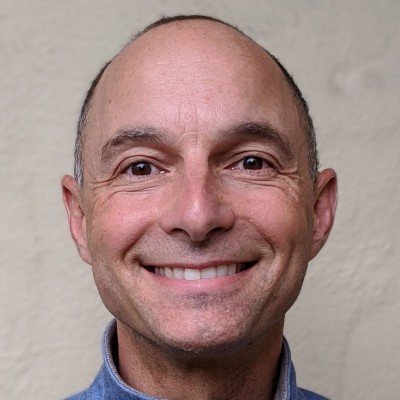
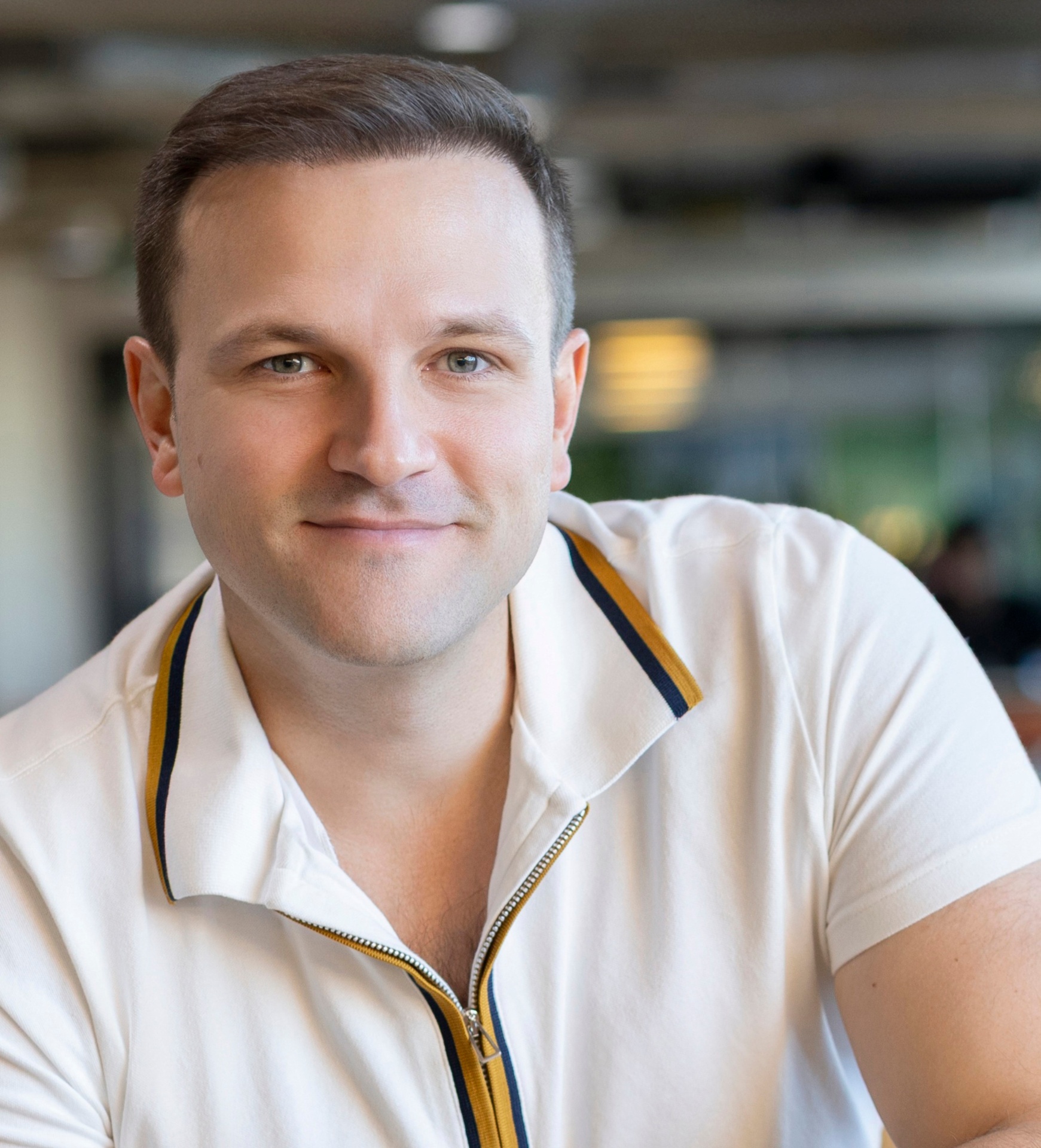
Hey everyone. Welcome back to Fundraising Demystified. Today we have Dave Lambert with us, founder and managing partner at Rightside Capital Management, as well as an exited founder before it was cool, you know, back in the early 2000s and nineties. Welcome to the show, Dave.
Dave Lambert (00:18.818)
Hey, thanks, it's really great to be here.
Jason Kirby (00:20.862)
No, I'm excited to have you on here and you have full disclosure to the audience. am an LP in the fund. Um, you know, I've been in, think what, forgot the specific fund, uh, yeah, but, but then you guys for quite some time and, really love the unique strategy that you guys have. But before we go into the details, let's talk about some of your portfolio wins. Let's talk about some of the bigger companies and the big successes that you guys have had with your strategy.
Dave Lambert (00:30.36)
Yep, for a little while. Yeah.
Dave Lambert (00:46.284)
Yeah. So, mean, we were very early investors in a company called TradingView, which is a B2C consumer fintech company, financial charting software started out going after at home active traders, mostly stocks, commodities, currencies. And then, you know, as the crypto world sort of exploded in the late 2010s, became one of the dominant players there. They're still doing really well. We invested
back in 2012 or 13, actually forget exactly when now we sold half in the early 2020s, well actually sold half and then all in the early 2020s. And that's one great story. I can go into some of the details of these. Let me just reel a few off. Another one was PillPack, which was an online pharmacy, which was acquired by Amazon in late 2010s. We're a cool company that just hadn't, we had an exit for.
In the fall of last year, was called Kami, K-A-M-I, which is probably the second most successful startup in New Zealand after Canva. There was pretty big gap between Canva there, but we invested in them back in, I think, 2015 or 2016. What's cool is that almost every really big success that we have, you know, it's never been the case that we just invest and everything goes as planned and it's straight up and to the right. I would say, you know, a lot of our
Jason Kirby (01:51.378)
Yeah.
Dave Lambert (02:10.766)
really big successes have near death experiences along the way and sometimes multiple or pivots and changes and don't look anything like what we invested in. And I think for all three of those, that was, you know, a variation of the case just in all those.
Jason Kirby (02:26.952)
Well, and that's refreshing to hear, I imagine, for most founders who, you know, I haven't met any founder that's had any material success that didn't have a life or death moment at some point or multiple. But, and you guys come in real early. Walk us through how you guys, like what your strategy is for founders that have an idea of where right side capital might come in.
Dave Lambert (02:49.902)
Yeah, so it's changed over time. So back in the 2012, 13 and 14 period when we were just starting to invest, most of what we invested in was pre-revenue. So maybe even if we step up a higher level, the description I would have given to you in 2012 of what we do is we invest in capital efficient tech companies that are raising sub $500,000 rounds at sub $3 million valuations.
And in today's world, I'd give you almost the exact same description. I'd say we invest in tech companies, know, capital efficient tech raising sub $500,000 rounds at sub $4 million dollar valuations. not any substantial change in the description, but what a capital efficient tech company looks like has changed dramatically. So that's the big difference. So back then, you know, it took a half million to million dollars to be able to build most software products and get them to the point where you could go live.
generate revenue and sort of prove or disprove your initial business thesis. So most of what we invested in was pre-revenue. They had a prototype, maybe some customers using it and a small percent had revenue, but they had like, you know, 800 a month in revenue usually. But, you know, in today's world, that's very different. Almost everything we're looking at has revenue and it usually has somewhere between five and 30 K of MRR. And it's just what, you know, two things have happened.
since then, one, the cost to build the first version of a software product has just fallen through the floor and is essentially almost free for most business models, if you're a technical founding team. And then the amount of entrepreneurial activity has exploded as it's gotten cheaper to build a product. So as there's that many more startups out there, you know, and it's gotten cheaper to build a first version, there's more companies looking for smaller rounds and the cream of that crop looks better and better every year.
And I think that's the, you really the biggest change that's happened over the last 13, 14 years.
Jason Kirby (04:55.558)
And you kind of mentioned earlier, like the technical co-founders, like, you feel that for companies to thrive in today's market, historically, it's like, if you didn't have a technical co-founder building a technical product, it's always pretty frowned upon if you didn't have that, you know, technical co-founder. Yeah. Are you still seeing that being the case or do you still think that, you know, maybe business only people could maybe get off the ground?
Dave Lambert (05:17.134)
It's changed a bit. So what I would say is if we went back to the early to mid 2010s, boy, like 95 % of the time plus, you just couldn't do anything capital efficiently enough for us to be an investor if you didn't have technical co-founders. I think that began to change a bit as we got to the late 2010s. It became more more common that startups would have most of their development being done overseas.
by overseas teams. And as you had more developers overseas that had worked with startups for many years, that became sort of less fraught with potholes and speed bumps that experience. I'd say we, you know, so from that period forward to now, maybe instead of 95%, it's more like 80 to 85 % technical founders still, but that's maybe still doubling or tripling of sort of non-technical founders. I think that could change a lot over the next five years, you know, as
AI, you know, it's, maybe it's five, I don't know if it's five or three or 10, but at some point in the future, you know, software is going to be written, you know, by AI. And maybe you don't need that. You know, the language to write it is English and you explain what you want, is possible. And that's going to come eventually. And then you don't need to be so tight.
Jason Kirby (06:34.622)
It's not.
Jason Kirby (06:38.974)
I think eventually, think still right now, like even if I play around with it, you still, you still need to know how to deploy, manage, maintain and scale. Um, but like to get a prototype and to kind of get some, you know, maybe initial validation, you really can get pretty decently far without writing code, but I wouldn't, I wouldn't, wouldn't be something I'd throw money at.
Dave Lambert (06:40.62)
Yeah, right now.
Dave Lambert (06:59.694)
No, we're not, not where I was saying I already close to there yet, but I think it's moving the line a little bit where, you know, what, and what, what, uh, outside development team can do or just in-house developers that aren't the founders is just, they can do so much more now than they could have three or four years ago. So, you know, maybe it's gone from 95, five to 85, 15, and as you know, a year or two ago, and you know, we haven't done this analysis, but maybe it's 75, 25 now because of.
Jason Kirby (07:02.919)
Hey!
Jason Kirby (07:30.814)
So let's take a step back, give the audience a little more context on the right side. Like how big is the fund? Like you guys have a ton of pork hoes that you guys have invested in over the years and have a massive, much larger portfolio than most traditional venture firms. Can you give a little context?
Dave Lambert (07:46.318)
Yeah, we're on our investing from our sixth fund. Right now we have two to 300 million, I forget the exact number under management. And we've invested in over 2000 portfolio companies since 2012. So that, the most unique thing about us, really two unique things. One is that we take this quantitative data-driven approach to selecting investments. So we gather up a bunch of quantitative data points, and then we make a yes or no decision, usually in a
a week or less about most companies. And number two is instead of having a portfolio of 15 or 20 or maybe even 30 companies, if you're sort of a more active early stage fund, we have many hundreds of investments in each of our funds.
Jason Kirby (08:31.678)
And do you guys structure like a traditional like power law theory kind of venture fund? Do you guys take more of base hits and doubles? Like how do you guys think about it?
Dave Lambert (08:41.678)
So it's yes to all of that. when this was sort of an idea on paper in our head in the late 2000s, we were already well aware of power law, how that worked, power law math, a little bit different than regular math and more complex. So we'd done all our calculations then on sort of what diversification we need and how to that tail with high certainty.
Jason Kirby (08:46.942)
You
Dave Lambert (09:10.87)
And so we've always known that it would be these large outliers that drive most of the returns to our fund. But that doesn't mean we sort of take the, I'll say the Y Combinator approach, which is sort of more like trying to have every company step on the gas, raise a lot of money and drive to that sort of unicorn home run or bust. You know, I don't think it's bad what they're doing because they're very transparent and open to entrepreneurs. So that's what's happening.
we take a bit of a different approach because we focus a little more on capital efficient tech. So we have a starting point and we like a lot of our companies to be able to do a lot and achieve a lot of progress without massive amounts of venture capital flowing in. Some subset then goes a venture capital route, some subset becomes very successful without that. And we're open to pretty much all outcomes. So we just do enough investments that the ones that are naturally going to become these crazy home runs will sort of do so on their own.
And for the others, we're sort of more consultative. Like, does it make sense for you to raise venture capital or private equity, or should you go to individual investors and family offices? What exit markets are you keeping in play or eliminating? know, based on your market, are you taking a lot of risk if you grow beyond 150 million? Because all the exits happen below there. Like these are all sort of nuanced things to consider. And, you we don't try and force a square peg in a round hole.
Jason Kirby (10:33.598)
It's something that's unique about you guys is this kind of price sensitivity as well, like, you know, coming in at sub four million. that the case for all your investments? like, how's that, you know, I guess you guys act quick. There's, there's, you know, quick capital coming in. So it's an advantage, but, know, how do you guys perform in actually sticking to the sub four million?
Dave Lambert (10:52.59)
Yeah. So I would say that probably 80 % of the investments we make are between two and $4 million valuations, the other 20 % above or below. So sometimes that's investing at four up to maybe six for higher traction levels and growth rates. And sometimes that's investing a little below, maybe at like one and a half for something that's a little under our traction bar or has some other unique characteristic that makes it worth doing, even though maybe it's technically pre-revenue.
Uh, and I would say that there's sort of two reasons that we're able to consistently do that. One is what you mentioned, the value of speed. like where we're not taking up three to six months of an entrepreneur's time and to give them a yes or no, which is usually a no, you know, we're doing it very quickly. So that's, that's one thing. Um, number two, it's small rounds. we're not doing $800,000 rounds at.
a $2.5 million valuation. If you're getting a $2.5 million valuation, it's probably usually a $400,000 round or 300, you know? And so it's relatively low dilution. So that's not as impactful for the founders. And most of the companies we're looking at have raised anywhere from zero to just a small amount of capital. So they haven't been diluted that much. And then lastly, it's all the value we bring to the table. So we're not just a check.
We give a lot of operational support. So you've access to sales expert who's got almost 30 years experience being VP of sales, chief revenue officer, mostly at SaaS companies. Same thing on the marketing side. You know, we have monthly founder webinars. We've got a person who's built out a network of 1400 later stage investors from pre-SEED VC to late stage private equity. So whatever stage of your life cycle you're fundraising next, we can connect you to investors. So we just sort of offer more than almost anyone does.
But ultimately, it's that speed and certainty of a quick transaction that I think is most impactful.
Jason Kirby (12:58.62)
Yeah. I always found that interesting with being able to compete and get checks in when so many founders are just like, everyone's raising at 20 million for, cause they throw AI, you know, into their, you know, into their name or something like dot AI. So your valuation should go up 10 million, right? yeah, exactly.com. Yeah.
Dave Lambert (13:10.327)
Yeah.
Dave Lambert (13:14.426)
Yeah, just like in the late 90s, add.com or mention XML in your quarterly report, quarterly call and your stock doubles. Yeah, I think one of the things that's really interesting, and we didn't know this when we started, we designed this fast, transparent funding process just entirely sort of for our own selfish needs to make quick decisions. But it's an interesting study in sort of psychology because it turns out that our value proposition resonates the strongest with repeat entrepreneurs.
So if you're a repeat entrepreneur and you've done it before, you realize how painful and distracting fundraising is. And that's the entrepreneur that's like, holy cow, I'm going to give you my information and you're going to give me a yes or no next week and close immediately. Let's do it. And if you're a younger team that hasn't done it before, you tend to be much more psychologically sort of, you know, enamored with valuation and you don't value your time and you don't appreciate how.
long and distracting that fundraising is going to be. So it's very interesting. We had no idea this would be the dynamic, but it turns out it is. And that sort of bends in our favor a little bit anyway, because we'd rather have the repeat entrepreneurs, even if what they've done before didn't work out, you've made a lot of mistakes and learned from.
Jason Kirby (14:28.924)
Yeah. As REV founder, I couldn't agree more. it's some of these things where it's such a grind and like you get so, especially first time founder gets so hung up on your percentage. How much do you own? like, you know, it's, it's become so immaterial. If you need money to do what you got to do and build the outcome you're trying to build, like you have to bring people along with you and incentivize them to do it. So you have to share. but this idea of maximizing, you know, equity or ownership and things.
Dave Lambert (14:51.213)
Yeah.
Dave Lambert (14:55.212)
At every stage. Yeah. And we're the same way once we're on board and now we're getting diluted at next rounds. Like we value if someone's going to come in to one of our portfolio companies and make them an offer or they're going to, and they're going to move really quickly. Like there's a lot of value in that. And we make sure we make the founder aware of what that is and the value in just getting to focus on execution instead of having another five months of 60 % of their time on fundraising. So there's, there's value to speed.
Jason Kirby (15:26.078)
And so when you're looking at this market, you guys see tons of deal flow, make tons of investments, you guys move very quickly, so you see a lot of data. Like what are the trends you're seeing in this, you know, we'll call it pre-CE kind of angel round stage?
Dave Lambert (15:40.428)
Well, mean, the biggest trend over the last few years, I'd say two big ones. One is obviously there was massive valuation inflation in the late 2010s, very early 2020s at almost all stages of venture capital. We didn't see it that much where we invest. I would say our valuations went about 20 % higher during that time that we needed to pay, whereas sort of pre-seed and seed and beyond sort of doubled and tripled. And I think that's mostly because just
It's a supply and demand scenario. As it got cheaper to build a software product, there's more and more companies looking for these small rounds of funding. But the reality is the investor market can't address that well. It's all just mostly individual angel investors. The professional world doesn't do small rounds with any volume. So even if you're a pre-seed investor that writes 250k checks, you never give that check on your own. You're 250 of a million and a half dollar pre-seed round.
least in the United States. how it is. you know, the biggest things, valuation inflation, the bubble popping, and I think three massive years of pain, maybe two and a half, mid 2022 through the end of last year, so many funders left the market. You know, lot of venture firms went out of business, lot of angel investors stopped investing, you know, funds got smaller and
that mark, you know, the, just the marketplace dynamic around fundraising changed completely. Cause we went from too many, much money, chasing too few deals to just a lot more startups existing and a lot less money. And that underlying marketplace dynamic changed everything and how fundraising went for founders and what you needed to do to get funded. So that's, that's one big whole story in and of itself. And then sort of AI coming on the scene and it is another. I mean,
Jason Kirby (17:32.36)
Let's talk about AI because that's always the hottest topic. How do you define AI from an investability standpoint?
Dave Lambert (17:41.056)
Yeah. our view, sort of our official right side capital view, and we decided this sort of like a year, a year and a half ago, was that most of the companies that investors and entrepreneurs considered to be AI companies weren't AI companies. So an AI company is when you're sort of a foundational company or you're doing real hard science around AI. That's an AI company. And that otherwise what most startups that are viewed as AI are really doing is they're just integrating.
those technologies and tools into either their product or into their, backend operations to make them operationally more efficiently, more efficient. And I think it's just very similar to what happened when the, the, you know, the worldwide web came on the scene in the nineties, in the late nineties, you know, if you are a really forward looking business and you started selling goods online and, you were doing that in 1998, 99, you were called an internet company.
even if you're a brick and mortar retailer. And, you know, by the time you got to the early to mid 2000s, that was table stakes. If you were going to be operating at any scale selling goods, you also had to have an online presence and be selling, you know, by the mid 2000s. And I think that's the exact same thing that's going on with AI is that AI is just sort of becoming table stakes, like having a web presence was for retailers by the mid 2000s. And if you're going to be competitive with the
other startups you're competing with or the other larger companies in not too long, you're going to have to have AI integrated into your product because that's going to provide a better product experience for your customers. And if you don't, your competitors will. And you're going to have to be using AI tools on your backend to be more efficient, you know, whether that's for, you know, coding or customer service and support or marketing, because if you're not, your competitors will and they'll out execute you. So I think it's just becoming.
Table stakes tool set, just like the web was. And if you go back 20, 30 years before that, just like databases were when they first came out. So sort of that's our view.
Jason Kirby (19:49.534)
So you're saying if I add .ai to my domain name, I don't get a $10 million bump in my valuation anymore.
Dave Lambert (19:55.18)
Yeah, you don't, but you miss that window. There's like a nine month window of craziness, maybe nine to 12 after chat GPT was released to the world where anything that had AI anywhere in it, whether, you know, was just viewed as AI by investors and there was a rush to invest crazy valuations paid. And I think, you know, a lot of those investments aren't working out well because those companies, you know, investors paid very high valuations and there's still no revenue or low revenue and you can't justify those anymore.
Jason Kirby (20:24.798)
Yeah, no, I think there's been a giant reckoning in the industry, is personally, think for the best for the industry to kind of reset expectations. There's still so many founders that are like, we're awesome. We're amazing. Why aren't we getting a 20 minutes? Like, well, maybe your data points that you're pulling in are from like four years ago.
Dave Lambert (20:41.454)
Yeah. mean, one of the cool things that's happened though is that AI has sort of, helped partially helped enable a really healthy mind shift among entrepreneurs. Because by the time we got to the late 2010s and, you know, 2020, 2021, I think the entrepreneurial mindset had become broken because we had gone so long without a recession. had just been economic tailwinds, rising multiples that sort of the Silicon Valley TV show had started to become
reality. Like the mindset of most entrepreneurs is my goal is to get my next round of funding. Right. And it never even occurred to them to think, maybe I should just be a profitable business that grows off my own profits. Yeah. Like mind boggling. Right. And, know, this, this really, two and a half years of just complete pain in fundraising, you know, you could, no matter how quickly you're growing and how good your business looked, you could not bank on getting around.
You always had to have a plan B and C if you had to raise less than you wanted or you couldn't raise anything. And I think what that's done is this entire next generation of entrepreneurs, they're coming in, everyone we're investing in right now, by default, they just assume that their goal is that they want to become a profitable company and control their own destiny. And that is so healthy for the ecosystem. And I think AI has really just empowered people to be that much more confident in those views because
AI is suddenly something that helps you operate much more efficiently on your backend. And that's never existed before. the cost to build the first version of a software product, that's collapsed every year since the mid 1980s. And it just sort of fell off a cliff in the 2010s, but it never became that much cheaper to scale out a Salesforce or scale marketing. anything, maybe it got more expensive, but now these AI tools are suddenly making that more.
capital efficient and less expensive. And we've just never really witnessed that in the entrepreneurial ecosystem. And so that's the biggest change that we're seeing in the companies we're investing in. People can do so much more with less relative to any time previously.
Jason Kirby (22:49.782)
And it's such a different conversation. there's a group of founders that raised in 2019 to 2021 and they're now, you know, material, they got millions in revenue, but they're no longer on that venture trajectory. But they raised venture rounds and they raised it, these lofty valuations. And they're like, well, I don't want to do a down round. We've done everything right. We've grown. Why should we take it down round? It's like.
Dave Lambert (23:13.634)
They're structurally broken is basically what it is, right? It might be a healthy business if it wasn't structurally sort of broken. Yeah.
Jason Kirby (23:15.184)
Yeah.
Jason Kirby (23:19.486)
If didn't have the cap table. Yeah, if the cap table was restructured, it would be a great business. But like so many founders don't realize that because you took that money, but you didn't have breakout venture growth, your venture investors don't care about you anymore. And you're left with a cap table with a prep stack that's so high that even if you sold for millions and millions of dollars, you wouldn't probably make anything. It would all go to pennies on the dollar to your investors in terms of prep stack.
So it's been great to kind of see this shift in terms of founders now going, you know, maybe a one and done, you know, as a common theme I'm hearing one round and done.
Dave Lambert (23:54.604)
Yeah. Or to realize there's a cost to raising around, right? You're, it's not just, Hey, you get money into execute your, you own a lower percentage of your business. You've just raised the bar higher to what you need to get to, be able to sell. And you've just increased the chance of zero because there's that much more liquidation preferences in front of you. So there's, think before it was just viewed as only positive. No one even, you know, factored the downside aspects into raising a next round into their.
decision-making process. And now I think everyone realizes, all right, there's a basket of pluses and minuses here and let me make a decision with more sort of full knowledge.
Jason Kirby (24:33.372)
Yeah. And what is, you maybe you build a good enough business where you can attract healthy debt or different types of debt where you're not taking the dilution, you have a payment schedule, whatever it might be. There's, there's, and there's also just a lot more flexibility in the market today than I would say traditional venture. But curiously,
Dave Lambert (24:49.432)
Yeah, the SaaS lending world did not exist in the mid 2010s. There was very nascent, just one or two small players. And now there's a lot of options there. So particularly once you start to get around one and a half, 2 million in ARR and above, you have a lot of alternative sources of financing these days that just didn't exist 10 years ago.
Jason Kirby (25:07.56)
So from your perspective, you you guys have this value add and you have these resources for founders after the fact, after you invest in them, when you're caught in a situation where it's like the founders are exploring another round or looking to be profitable, like what's your take on those situations? It's technically markups and you know, being able to boost your evaluation on your, your fund performance and things of that sort.
an incentive that you have, but like when the reality comes down to it, like, how do you guys handle those situations where it's like, should they?
Dave Lambert (25:40.042)
Yeah. So that's very easy for us. we partially, we can do this because we have so many investments in any fund. no single investment ever has that much of a financial impact pack, but we think our best philosophy is all we ever optimized for is that last check-in that's buying the company. And we don't try and do any optimization along the way. So it very much depends situationally on that company. So it's not uncommon. Usually when a founder's
looking to raise the next round. Let's say a founder is contemplating a $10 million round and they're trying to get 10 on 30 or 10 on 40. If they're clearly sort of a venture growth and scale business and they're, you know, got a path to a hundred million plus in revenue, let's just go that path. We'll give them lots of intros. If it's not clear and it's like, Hey, it's not clear if they have a path to much more than 10 million in revenue or low tens. They haven't proven that yet. Then we'll start asking them questions and sort of.
You know, we'll say, Hey, well, how large do think you can get? Hey, what are your goals as founders as to what exits you want to keep and play and you're willing to get rid of. And then we explain to them what it means to raise that round. Like most founders don't realize if you raise 10 on 30, it's a 40 million post. You have eliminated selling for a hundred or $150 million. Like I think most entrepreneurs think, well, if I do that round and 18 months later, someone comes and wants to buy me for 120 million. It's a no brainer. We should maybe consider taking that.
but your investors don't want 3X back quickly from the venture world. They're going to block that and say, let's grow higher. So it mostly depends on sort of the segment they're in. are there unlimited buyers at sort of every valuation in their market? And what are the founders desires and wants as far as exits and risk reward? And so usually our job is to educate and then
sort of go on the path that makes the most sense once they've made a decision with sort of all factors in play. And so sometimes that means, all right, we're going out and we're connecting them to VC investors to try and get that 10 on 30 round done. Other times though, that same company, they might come back and say, you know what, we do want to keep a hundred million exit and play. And maybe we're recommending, hey, instead of 10 million, if they're capital efficient, maybe let's put a $4 million round together and we'll find you investors that will do it at 20, but they will promise not to block.
Dave Lambert (28:03.916)
an exit that's at a hundred. And so it's very common that we end up doing, helping put together that deal with companies, even though from a sort of a marketing perspective in the near term for our funds, you know, that's a noticeably lower markup, right? We'd, we'd rather have that smaller markup if that keeps, if that's what's best for that company longterm.
Jason Kirby (28:04.168)
Now.
Jason Kirby (28:25.426)
Most noble of you, would say most VCs don't fall into that camp. and I think that's, you know, big reason why I'm an LP is cause that's almost the exact same mindset that I have in terms of supporting founders. And it's, it's, you bring up this point that I think founders just don't realize until they're in the thick of it. They're in the boardroom, they have an offer and they're like, we're going to sell for a hundred million. This is a dream come true. And the board's like, nah. And you're just like, yeah.
Dave Lambert (28:52.066)
Yeah, yeah, it's like a three second conversation and they're just in shock.
Jason Kirby (28:56.124)
Yeah, math doesn't work. You need to do this for another five years. And maybe we'll give you a couple more options. You know, just like, shit.
Dave Lambert (28:59.64)
Yeah, yeah.
So the thing is that what entrepreneurs don't realize is VCs aren't trying to hide that from entrepreneurs. They just assume that entrepreneurs know what their MO is. And they'll be honest if you ask, it's just the conversation doesn't happen enough because everyone sort of assumes, makes assumptions and they never have the conversation. So I remember many years ago, we had a company that was just taking off quickly and they had, you know, sort of a premier VC and their
Citi reached out to them and very quickly give them a term sheet for, I think it was like four on 16 or four on 20 or something at the time. And the entrepreneur is like, well, this is the easiest fundraiser ever. It's a no brainer. And I said to the entrepreneur, said, well, yeah, maybe let me ask you a question. If someone came in a year and offered you 60 million or 80 million for the company, would you want to take it? And he was like, in a year? Yeah. And I said, well, I'm pretty sure this investor will block it. Here's how venture math works. And the entrepreneur was like, no way. No one's.
turning down three or four X that quickly. And I said, well, here's the thing. They're going to be totally transparent. So why don't we just get off the phone, call the partner at that firm and ask them. And I got a call back 10 minutes and the founder could hardly even speak. He was so dumbfounded. He's like, you're not going to believe what they said. They said they'd absolutely block it and they'd want to push to at least 150 or $200 million. And I said, all right, well, now we have to decide, is this the right investor for you? And he decided no. And we helped them find
Jason Kirby (30:18.13)
Yeah, I will.
Dave Lambert (30:30.392)
sort of a family office that invested at a lower valuation, but promise not to block, you know, a lower value exit. So it just have the conversations because your investors will not, prospective investors want everyone to be aligned as well. So they're not going to lie.
Jason Kirby (30:46.014)
You say it like this, this point, like have the conversation. It's founders are so...
concerned, like they're like walking on eggshells when talking to their investors or their board because they're just, they're so worried that they won't get the money or they'll say something that could potentially be misinterpreted or used against them. And it's just this unfortunate dynamic when reality is if you actually have the blunt conversation, as you're saying, most investors will be totally on board and have the conversation. They'll be honest. It might not be what you want to hear, but you at least eliminate the what if.
Dave Lambert (31:17.334)
Yeah. You just brought up a whole nother topic, which is what is the CEO's role in interacting with the board? I think, especially first time founders, by default, they look at the board as their boss and that's who we're reporting to. And they want to manage it, overmanage it and try and only report good news. And that's just such a bad, that's going to burn you and that's going to burn your relationships with your investors. And
The reality is what happens is, know, corporations are set up where there's a board that sets the strategic direction of the company. Their main job is to hire the CEO who executes on that strategic direction. But the CEO is also a board member and the CEO is the only one that's in there operating on a daily day-to-day basis and the board members aren't. And the CEO's real job is twofold. One is to execute on that sort of strategic goal.
And the second is to give as transparent a view as possible to the other board members as to what is working on what isn't working. And when you actually do that, the conversations are so much better. And yeah, you have to have a lot more difficult conversations sometimes because you're being very transparent when things aren't working. But that is what builds confidence in an entrepreneur when you're an investor is that transparent view and messaging everything good or bad. And I can tell you that
us as investors, we've had many entrepreneurs that we've invested in a second and sometimes the third time whose where our investment went to zero the first time. And that's because we felt they did a good job and they communicated very transparently. You know, we don't care about the outcome. Lots often beyond everyone's control as much as we judge a CEO by their transparent sort of communication and insight they give us as investors into the business. We've also had many entrepreneurs
for whom we've gotten a great return on our investment that we would never invest in again, because they're like black boxes. We don't hear anything from them ever. Or they only message good rosy news to us even when stuff isn't going correctly. That's not confidence building and inspiring if you're an investor.
Jason Kirby (33:30.814)
That's an interesting, you know, maybe counter opinion there. It's like, have you run the numbers on the black box founders versus the open founders versus maybe the rosy founders and kind of.
Dave Lambert (33:40.61)
We have, I wish I could say the numbers back up what I was saying completely, and it doesn't. We've definitely had some large successes where the founders wore more black boxes, but that doesn't mean that the investors along the way had high confidence in them. Like for a lot of those founders and talking to other investors, they were not happy always and pulling their hair out a bit or frustrated. So as far as
Jason Kirby (34:09.48)
But they delivered an outcome. Correct. So the founders still delivered like a notable outcome.
Dave Lambert (34:11.33)
Say that again.
Dave Lambert (34:16.27)
Yeah. So I think it's a mixed bag. It doesn't mean that you're mad at that founder when it's a notable outcome, but it's such a small percentage that are that true outlier and are generating that investors end up not caring. forgive all their frustrations. But if it's just a good outcome and you're not into that great category, anything there below, the best thing you can do as an entrepreneur is have communicated as
very consistently. entrepreneurs, know that 90 % of the time when they invest in the company, company isn't going to hit plant that next year. That's just the reality. And what and just entrepreneurs so feel so bad when they miss that I think they just stop communicating as much.
Jason Kirby (35:03.55)
Yeah, it's happened to me. I was a, invested in this one company and it was all the hype, all the rage. Everything was going great. Everything was rosy. I was like, man, like these are like vanity metrics. These don't look like the real metrics. And he went from like monthly updates to then like quarterly updates to then like silence and then like not picking up the phone. And even when I met him in person, he was just like, yeah, everything's great. I was like, is it?
Is it really? then, know, you get the emotional breakdown, like, you know, if you fortunate with him, I had the relationship and he finally like, kind of opened up and was like, you are like, this is going up.
Dave Lambert (35:32.429)
Yeah.
Dave Lambert (35:42.05)
Yeah, and the thing is, investors can help the most when things aren't going well, usually.
Jason Kirby (35:46.494)
Well, and to bring it up faster because like it's okay. Founders can't know everything. It's impossible. But the sooner you bring up to, to your board, your investors, your advisors, the sooner they can come in and at least just provide an alternative opinion. They might not get their hands dirty or whatever, but just plant a seed for you to know there's options. And the earlier those seeds are planted, the more likely they grow into something material and save the business as opposed to just, you know, squirming away.
Dave Lambert (36:13.09)
Yeah. What I would recommend is anyone listening to this, go to our website and go to the blog section. And one of my partners has written a couple of good posts on monthly or quarterly investor updates. So one of them is like, you know, MVP of a investor update or something like that. And it gives you sort of what investors are looking for. And then the other ones is do's and don'ts of investor updates. And the thing is you can do a really good investor update and it can take you five minutes because all investors care about are the KPIs. They don't need all the froth.
all the fluffy paragraphs around it. If you want to put paragraphs, what's going well, what's not, that's fine. But if you're really busy and you just want to spend five minutes, take the KPI dashboard you should have anyway and say, hey, here's our February, 2025 report for investors. MRR was this, you know, it was up or down from last month. Cash is this, burn is this. Here's some other metrics you think are important. And if you say nothing else, no one's going to care.
Jason Kirby (37:07.196)
Nope. That's just like, all right, you're alive and things to be okay. what the ask is. investor updates, maybe not always appropriate to have like the dire need ask. Those should be like probably one-on-one conversations with your most closest confidants. But at least everyone, your default alive as opposed to default dead.
Dave Lambert (37:12.781)
Yes.
Dave Lambert (37:28.076)
Yeah, yeah. And your investor network is actually has a lot of value and you never know what expertise they happen to have or someone they know happens to have. So if you got some weird, bizarre ask, ask. mean, I've certainly had seen company of ours where they make some crazy ass sometimes it's like, Hey, does anybody have a know someone in this weird, bizarre industry that is in this position? And I'm like, well, that's a crazy ask. And next thing I know, I see some investor.
sometimes a small investor that times and yeah, actually, I know my college roommate is in this and I can connect you to this person that does exactly this. If you don't ask, you never get it.
Jason Kirby (38:02.524)
Yeah. What are some other kind of crazy ass that you've seen come across your board?
Dave Lambert (38:09.006)
Crazy asks, boy. I mean, almost everything. I'd say the most interesting asks are often when companies are trying to explore and find new, maybe pivot, and they want to talk to people in new industries or sectors or profile of customer. So it might be a very unique, bizarre profile that they're looking to talk to. The more investors you have, the more likely you're going to get that. I mean, it's almost no ask is crazy. So I can't say that we've seen one.
I don't think I've ever seen an entrepreneur ask something. thought, that's bizarre. They shouldn't be asking that of their investors because your investors are like family. You can really ask them anything. Investors can say no, or don't have that, but ask away.
Jason Kirby (38:51.506)
What about the... Have you had these conversations, like, where a founder basically says, swung and I missed? Like, they kind of lose? Yeah.
Dave Lambert (38:59.598)
Absolutely. Along many of the times. mean, sometimes we're having that with the entrepreneur too. We've had enough portfolio companies over our history. We've had everything. I remember once, this is probably like 2016, 17, we had a company we invested in and seven months later, they called us back and we're like, hey, our market dynamic has changed so much in the last seven months. The competitive field and our value props just eroded.
We don't think there's any there there anymore. And we've looked at other stuff and we think the best thing is just to wind down and we still got 40 cents on the dollar to return it to everyone. We think if we just keep going, it's going to zero. And then we said, okay. And they wound down and gave us the 40 cents back. We've had other ones where it's the opposite, where entrepreneurs are trying to make the same business model work. And we're having a talk with them saying, Hey, I think you've proven there's no there there. We need to, you need to just, you're,
One value that you have is you've got all these customers that you've got a relationship and you can talk with. I want you to set up 20 calls with customers and start having discussions with them. Like what are the pain points in their work life? And maybe there's something else or some other product that we should be pivoting to. And sometimes, you need to hear that as the founder or founders don't even realize that investors are okay. What do mean we could just.
totally switch to something else and they're like, yeah, if what you're doing isn't working, don't feel any pressure to stick with it. You know, they don't know that until you have that conversation.
Jason Kirby (40:32.146)
And they're all scared to have that conversation. every time, like I see that happen all the time where they're scared to have that conversation of, you know, of fear of failure, or they just keep staying the course to try to make something work that shouldn't work. But they keep, it's like pounding your head against a brick wall. like, why are you doing this to yourself?
Dave Lambert (40:52.694)
Yeah, yeah, exactly. So I mean, just the reality is I'll give an example of the, you know, we didn't have to sort of show them this route, but the route that happened for, you know, the company in New Zealand that we exited recently, when we invested in them, they were pre revenue and they had a plugin to Chrome that did something. And, but they had usage through the roof, just accelerating every month. And this is sort of, you know,
2016, 17, it was right at the time where it wasn't so common for us to invest pre-revenue anymore, but we're like, hey, this traction and growth, there's value there. They're going to figure something out. And it was a low valuation. Then they came back to us a little bit later. What they did isn't even that important. And they said, all right, we've found a new business model. We've got these sort of individual sole proprietors, like real estate agents, contractors that we can help with these workflows. And we're selling to this profile.
And, know, as an investor, like that really tiny SMB market, we're charging 60 to a hundred dollars a month is very unattractive, right? Most businesses fail, but they tried it and they actually got up to about, you know, I don't remember half million ARR or something. And then they came back and they're like, Hey, we're pivoting again, you know, similar product, but we've got a new market that we're going after and it's K through 12 education. Which again, as an investor is like one of the harder markets to sell into. It's all right. Great. We've gotten from like the.
worst to the second worst target market here, but they were trying stuff and changing. And they actually got up to like million million and a half ARR and then COVID hit and it just took off and went through the roof. you know, they were wildly profitable with tens of millions of ARR when they sold, but it's because they pivoted and changed substantially twice, I would say. You know, they didn't, you know,
Jason Kirby (42:22.141)
Yeah.
Dave Lambert (42:46.826)
off their underlying technology, but just sort of the product they offered and the target market they went off after was substantially different. And investors didn't complain any of those times. Like we assume the entrepreneurs know way more about the business and what's working and not than we do.
Jason Kirby (43:02.13)
I think that's so important. when you've seen this probably happen many times and you know, some maybe go south, some maybe go the, right direction, but what's kind of like a common theme where you see the founders that have made it and made the right choices and led to a better outcome. Like, have you seen any kind of consistency in terms of like what they've done versus maybe, you know, founders that didn't succeed in that same effort?
Dave Lambert (43:27.858)
No, it's a lot less consistent. It's so much more randomness than like human brain wants to believe like in the startup world. I would say the biggest thing that we've realized over time though at early stages is that low cash burn is king and lets you see those pivots and changes. So what we've discovered is that if you have two companies, let's say company A and company B and they both have 20K MRR.
And company A is burning 80,000 a month and company B is burning 15,000 a month, but otherwise they're identical. Company A's founders are going to feel this really huge pressure to make their current business model work. Cause maybe they're out of cash in 10 months and they're going to hit a cash wall hard and they need to raise around to get past that. And they have to make this business model work. Company B. so they're going to have blinders on. They won't notice any other opportunity. Now the founders at the company B.
They're burning 15,000 a month. know, if they don't get stuff figured out, they're not going to be that stressed because, Hey, they could always raise another hundred to 150,000. And maybe that gets them another 10 plus months of runway. They can probably find that. And someone will give them 150,000. No one's giving the company burning 80,000, just 150, is two months of runway. And so those founders will just much more naturally see.
greater opportunity. If they're talking with their customers and their customers suddenly mentioned some other pain points that they'd and they seem like bigger pain points, the founders will dig in and ask questions. And then maybe they'll come back to the investors and say, Hey, we think we could pivot our product and switch to this other thing. And it's a bigger pain point and we can make more money and sell quicker. They'll just see that and even have the conversation. And the ones with the higher cash burn won't see it. So that psychology is really important. And
Cash burn is the biggest thing that prevents that from happening.
Jason Kirby (45:28.574)
Well, it makes sense why capital efficiency is a big pillar for your investment thesis. So switching gears here, like when looking at the pre-seed investment market over the next couple of years, we just got out of a tough situation the last couple of years, but it sounds like maybe things are getting a little more positive. What do you foresee for the venture or early stage investing market over the next couple of years?
Dave Lambert (45:54.99)
Well, I think, I mean, I'm hoping it can't be as sort of as bad as it has been from a fundraising perspective. Now, as a firm that's writing checks still, it's the dream environment to deploy capital, but it's like incredibly painful for all our existing portfolio companies. I think we're just starting to see it getting better, but it doesn't mean it's never going back to like it was in the 20, know, 1920, 21 timeframe. We're probably going to end up where we were in the mid 2010s, you know, with sort of which were.
are going to feel like low valuations, but just be normal valuations. But the one thing I think won't change is we've got an overhang of a massive number of startups that are out there. There's so many more that are here in the world than were in 2018 and 19. And the venture capital world is still going out of business slowly. For all the professional funds that existed in 2021, maybe half of those don't exist in 2026 or seven.
or they exist, but they're not making new investments. And then some new ones come into play. So we've still got this dynamic playing over out over the next few years where there's going to be a historically sort of historic imbalance still in supply and demand when it comes to capital at the early stages, it's going to feel better than it was, but it's not just going to probably swing back to the good old times.
Jason Kirby (47:16.158)
I hope not. felt like, you know, it's one of those things where you want that to happen every like 10 years, just because you get these high multiples and that's where you want to exit. So the exit of their positions 2021, great idea. But yeah, I think we're going to, would say this is a stable and healthy market that we're going into with a little bit more of a reality check for founders to really compare the options. Are you really venture capable or venture scale opportunity? If not.
Dave Lambert (47:21.26)
Yeah.
It's fun, yeah.
Jason Kirby (47:43.824)
exploit these other options that might still allow you to build a real business that builds real profits and whatnot. So I'm curious to see how that plays out over the next few years and how venture changes.
Dave Lambert (47:55.916)
Yeah. mean, so much of it's psychology. If we have a few IPOs, successful tech IPOs in the coming six months, that psychological change will just reverberate through the system and things will feel a lot better and money will loosen up. Both dollars flowing into venture capital funds and funds that have been sitting on the sideline, holding onto their dollars really tightly will start spending. People will suddenly get afraid on the investor side that, shoot, I didn't deploy enough capital.
Jason Kirby (48:11.08)
that.
Dave Lambert (48:22.946)
during the down times and I don't want to be looked at as that one investor that didn't take advantage of it. but you you need a big psychological change for it to really change. And I think that would make the biggest difference.
Jason Kirby (48:36.582)
No, I completely agree. Dave. Yeah, I'm hoping so. think, I think the markets are finally ready to say yes to these tech IPOs and create a little bit more liquidity back in the market. you know, market's going to be funny, but I think with the current landscape we're in right now, probably is the best time to go, you know, at least out of the last like four years or so, three years.
Dave Lambert (48:37.048)
Which is very possible, could happen. There's a lot that wanna go.
Dave Lambert (48:52.739)
Yeah.
Dave Lambert (48:59.874)
Yeah. And I think there's been a reality check on, on company sides. Like they're not going to be going public asking for just insane multiples when they go public anymore. They're going to be asking for realistic ones because public's SaaS companies and public tech companies, except for the ones in this sort of the AI frenzy right now are trading at pretty realistic and low valuations. You know, when, when you look back historically.
Jason Kirby (49:22.598)
No, I love it. I love doing the comps and just being, no, that's not bad. It's like, still make money and they can still get a deal. like, that's how the market should be.
Dave Lambert (49:33.964)
Yeah, it's actually good for the entire ecosystem. Like no players left sort of holding the bag when the music stops. That's the most healthy ecosystem.
Jason Kirby (49:42.504)
Well, Dave, it's been an absolute pleasure having you on the show. What would be the best way for a founder or anyone that would like to learn more about you or the fun?
Dave Lambert (49:50.284)
Yeah, if you want to learn more about us, just go to our website, know, rightsidecapital.com. if you want to email me, Dave at rightsidecapital.com, I strongly recommend looking at the website. We list sort of everything about us, what investment profile we're looking for, you know, what we say yes to, what we say no to. We're pretty transparent.
Jason Kirby (50:11.228)
No, and that's, think what's super valuable for you. It's like, do you check these boxes? Yes or no. It's like, you know, pretty good.
Dave Lambert (50:16.908)
Yeah, yeah. And that's that if you do, we're going to want to dig in and look, it doesn't mean we're just automatically investing that sort of price to get in the front door. But if you don't, and you fill out our form, we're just going to give you a really quick know anyway. So save your time.
Jason Kirby (50:27.454)
Yeah, super valuable to founders to get that quick answer if they're in that range. But thanks again for being on the show. It's been great having you. You know, look forward to get this out to our community.
Dave Lambert (50:34.22)
Yeah, really great to have you on. Great discussion.
Jason Kirby (50:41.278)
Perfect.